


Discover the advantages and key factors to consider when establishing an option pool in startups. Learn how it impacts equity distribution and employee motivation.
Introduction to Option Pools
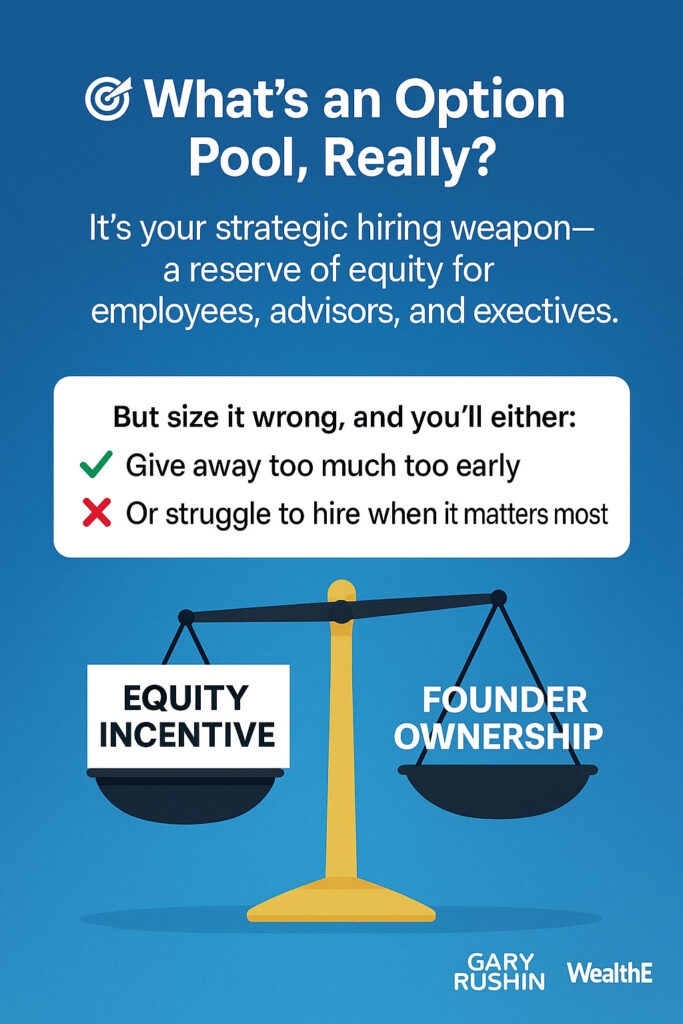
An option pool is a specific portion of the company’s shares set aside to issue equity in the future, also known as an employee option pool or employee stock option pool.
Option pools are especially common among tech companies seeking to attract and retain talent in a competitive market.
Option pools enable flexible equity compensation beyond just stock options, including restricted stock units.
The size of the option pool impacts company valuation and existing shareholders’ ownership through dilution.
Proper planning strikes a balance between providing sufficient equity for employees and preserving ownership for existing investors, while supporting the startup’s growth.
Aligning employee incentives with the company’s growth goals is a key reason for establishing an option pool.
Benefits of Employee Option Pools
Employee option pools provide equity incentives that attract and retain top talent, offering significant financial rewards tied to the company’s long-term success. Option pools are also designed to reward employees for their contributions to the company’s growth.
Option pools help startups compete with larger companies by offering ownership stakes, allowing them to retain key employees and offer competitive salaries. This is especially valuable in a competitive market where startups must compete with larger firms for talent.
Equity incentives align employee interests with the company’s success, ensuring that as the company grows, both employees and the company benefit, while effectively managing cash flow.
Option pools support strategic talent management and can be customized based on the importance of each role and individual performance.
Creating an Option Pool
The company’s board of directors must formally approve an option pool, specifying the number of shares included, which is typically 10-20% of the total equity.
The option pool size is influenced by the company’s growth stage and investor expectations, and it can be expanded as needed during a financing round.
Creating an option pool is typically recommended during the early stages of a startup to attract and retain top talent. The size of the option pool should be negotiated with investors to balance equity between shareholders and new team members.
Raising venture capital often prompts startups to reassess or expand their option pool. Each fundraising round or financing round may require adjustments to the option pool size to meet the needs of investors and potential hires.
A well-structured option pool is crucial for attracting top talent and fostering sustainable growth, and it necessitates careful management to prevent equity dilution. The company must formally grant options to employees through board approval and legal documentation.
Employee Stock Option Pools
An equity pool is used to grant stock options to employees, advisors, and consultants, aligning their interests with the company’s success.
The equity pool is part of the cap table, which tracks all company ownership, including that of founders and investors, and serves as a budgeting tool for planning equity grants.
Employee stock option pools are essential for early-stage startups to motivate and retain employees, and they can create significant wealth for early employees when the company goes public or raises investments.
The size of the employee stock option pool, or equity pool, typically ranges between 10% and 20% of the total company shares and directly affects the ownership stake and equity ownership of founders, early investors, and employees, balancing the need to incentivize talent with the preservation of existing shareholders’ interests.
Company Valuation and Option Pools
Company valuation is crucial when creating an option pool, as it determines the fair market value of shares for option pricing purposes. It is typically assessed through a 409A valuation.
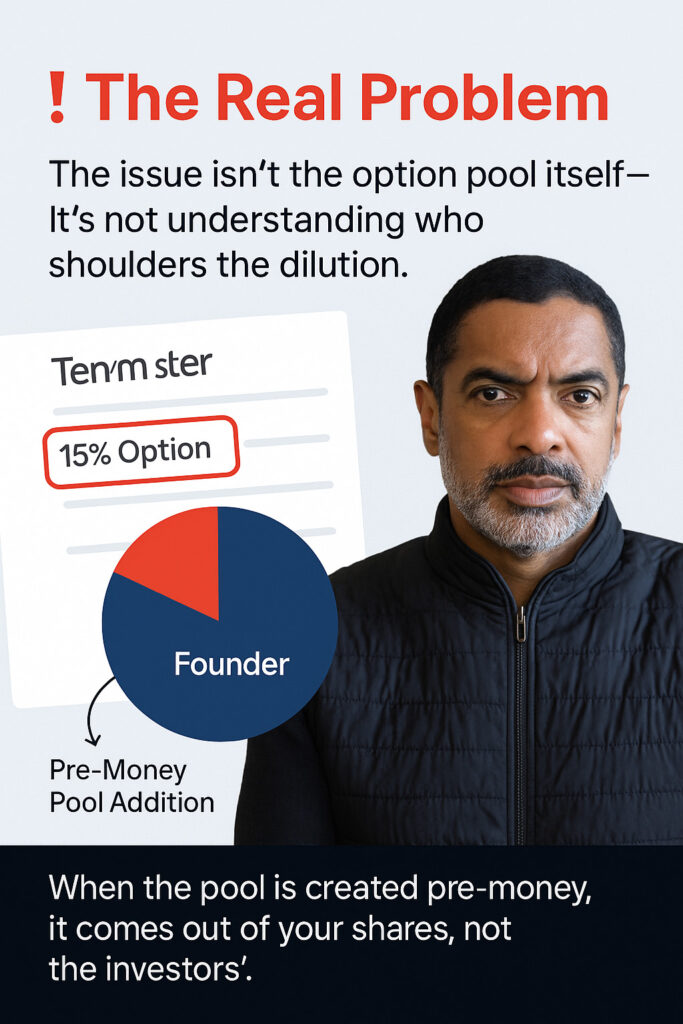
The pre-money valuation and post-money valuation are essential considerations when creating an option pool, as they impact the ownership percentage of existing shareholders and the amount of equity available for new hires.
The option pool size should be based on the company’s growth stage, the hiring plan, and funding rounds. When determining how much equity to allocate, it is essential to plan for future hiring needs and ensure the pool is sufficiently large to attract and retain talent without causing excessive dilution. The hiring plan should guide option pool planning and allocation, and regular reassessment is necessary to align with changes in the company’s growth stage and projected staffing requirements.
The company’s board should approve any changes to the option pool, and the pool should be managed carefully to balance the interests of existing shareholders and new employees, with preserving equity for founders and early investors being a key consideration.
Market conditions can also influence the timing and size of option pool adjustments.
Granting Options
Granting options requires prior allocation of an option pool and approval of a stock option plan, which outlines the procedures for issuing options. The company’s board must formally approve the creation of the option pool, the granting of options, and the associated documentation, including the authorization of stock issuance procedures.
The option agreement specifies the number of shares granted, the strike price (the fixed price at which employees can purchase shares when exercising their options), and the vesting schedule, which is typically four years with a one-year cliff.
Granting options is a complex process that requires careful planning and management to ensure compliance with tax regulations and to avoid equity dilution.
The option pool should be managed proactively to ensure sufficient equity for hiring and to control dilution, and it should be integrated with the cap table to plan option pool allocation effectively.
Employee Stock Option
An employee stock option grants the employee the right to purchase a specified number of shares of company stock at a predetermined price, typically the fair market value of the shares at the time of grant.
The employee stock option plan outlines the terms and conditions of the option grant, including the vesting schedule, exercise price, and expiration date.
Employee stock options are a type of equity compensation that can provide significant financial rewards to employees, often used to attract and retain top talent.
The employee stock option plan should be carefully managed to ensure compliance with tax regulations and to avoid equity dilution.
Cap Table
The cap table is a spreadsheet that tracks all company ownership, including founders, investors, and employees with stock options.
The cap table is essential for managing the option pool and ensuring compliance with tax regulations, and it should be regularly updated to reflect changes in ownership.
The cap table also helps startups manage their limited financial resources by strategically allocating equity instead of cash compensation.
The cap table should be managed carefully to ensure accurate tracking of ownership and to prevent equity dilution. It should also be integrated with the option pool to plan option pool allocation effectively.
The cap table is a critical tool for startup founders and investors, as it provides a clear picture of company ownership and equity distribution.
Managing the Option Pool
Effectively managing the option pool is essential for startups aiming to attract and retain top talent while maintaining a healthy equity structure. The option pool represents a set portion of company shares reserved for future allocation to employees, advisors, or consultants, often through stock options or restricted stock units (RSUs).
As the company evolves, it’s essential to regularly review the size of the option pool, considering the company’s growth stage, hiring plans, and industry benchmarks. Striking the right balance ensures there is sufficient equity to offer compelling incentives to key employees and future hires, while also protecting the interests of existing shareholders.
Tools such as option pool calculators can help founders and management teams determine the optimal size of the option pool based on projected hiring needs and company growth. Proactive management of the option pool enables the company to retain key employees, offer competitive equity incentives, and align everyone’s interests with the company’s long-term success.
Tax Implications of Employee Stock Option
Understanding the tax implications of employee stock options is crucial for both companies and employees. The tax treatment of stock options depends on the type of option granted and the timing of exercise and sale. For example, Incentive Stock Options (ISOs) may offer certain tax benefits. Eligibility for capital gains tax rates if specific holding requirements are met, while Non-Qualified Stock Options (NSOs) are generally taxed as ordinary income at the time of exercise.
The fair market value of the company’s shares at the time of granting options plays a key role in determining tax liabilities, making accurate 409A valuations essential. Companies must also consider their own tax obligations when granting options, as well as the reporting requirements associated with employee stock options. Tax rules can be complex. Varied by jurisdiction, both companies and employees should seek professional tax advice to ensure compliance to make an informed decisions about granting options and exercising stock options.
Legal Considerations for Employee Option Pools
Establishing and managing employee option pools involves several important legal considerations. Companies must ensure that their option pools comply with all relevant securities laws and regulations, which can differ depending on the jurisdiction.
The creation of an option pool typically requires formal approval from the company’s board of directors, and the terms of the stock options—such as vesting schedules, exercise prices, and eligibility—must be clearly defined in a stock option plan.
It’s also important to consider the impact of option pools on existing shareholders, as granting new options can lead to equity dilution. Legal compliance extends to maintaining accurate records, obtaining necessary approvals for granting options, and ensuring that all documentation is up to date.
Consulting with legal experts is highly recommended to navigate the complexities of employee option pools, protect the interests of both the company and its shareholders, and avoid potential legal pitfalls.
Best Practices for Option Pool Management
Adopting best practices for option pool management can help startups maximize the benefits of their option pools while minimizing risks. Regularly reviewing and adjusting the size of the option pool ensures that the company can meet its hiring needs without causing unnecessary equity dilution for existing shareholders. Establishing clear and consistent policies for granting options, including eligibility criteria and vesting schedules, promotes fairness and transparency.
Leveraging equity management software can streamline the administration of option pools, making it easier to track grants, manage vesting schedules, and maintain accurate records. Open communication with employees about the option pool and its workings helps align their expectations with the company’s goals and fosters a sense of ownership.
Finally, seeking guidance from legal and financial professionals ensures that the option pool is managed in compliance with all regulations and best serves the interests of both the company and its employees.
Common Mistakes to Avoid

Avoiding common mistakes in option pool management is key to supporting a startup’s growth and maintaining a fair equity structure. One frequent error is neglecting to regularly review and adjust the size of the option pool, which can result in either insufficient equity incentives for new hires or excessive dilution for existing shareholders.
Another pitfall is the lack of a clear and consistent policy for granting options, which can lead to confusion or perceived inequities among employees. Companies should also be careful not to overlook the tax implications of granting options, as well as the legal requirements for approvals and record-keeping.
Failing to communicate the details and benefits of the option pool to employees can cause misunderstandings and reduce the effectiveness of equity incentives. By proactively addressing these issues, startups can better manage their option pools, retain top talent, and support their long-term success.
Employee Option Pools and Talent Acquisition
Employee option pools are a crucial tool for talent acquisition, as they provide a compelling incentive to attract and retain talent within the company.
Option pools play a crucial role in supporting a startup’s growth by attracting and incentivizing key hires.
The option pool size and structure should be designed to attract and retain key employees. A well-designed option pool contributes to the company’s long-term success by aligning employee interests with business objectives. It should be regularly reassessed to ensure sufficient equity for future hires.
Employee option pools can be used to offer competitive salaries and provide significant financial rewards to employees, serving as an effective tool for managing equity compensation.
However, employee option pools can also lead to equity dilution if not managed carefully, and they require regular reassessment to ensure sufficient equity for future hires.
Future of Option Pools
The future of option pools is likely to involve increased use of technology and data analytics to manage equity compensation and to optimize option pool allocation.
The use of artificial intelligence and machine learning can help startup founders and investors to better manage their option pools and to make more informed decisions about equity distribution.
The future of option pools may also involve increased regulation and compliance requirements, and startup founders and investors should be prepared to adapt to changing regulatory environments.
The future of option pools is likely to be shaped by the evolving needs of startup founders and investors, and it will require careful management and planning to ensure sufficient equity for future hires and to avoid equity dilution.
Disclaimer: The information provided in this section does not constitute legal, tax, or investment advice. Readers should seek professional guidance for any investment decisions related to option pools or equity compensation.