

by Gary Rushin, CPA
Scalability refers to an organization’s ability to grow revenue without proportional cost increases, making it an important factor in enabling businesses to expand efficiently—a key factor in achieving sustained growth and becoming a successful business.
Growth refers to becoming larger or greater over time, which is a foundational concept for understanding scalability and its role in business expansion.
Scaling means increasing in size without a proportional increase in costs, which is a critical aspect of scalability and a key driver of business efficiency.
A scalable business model is essential for long-term success and profitability, as it demonstrates a company’s ability to scale its operations and respond to market demands, which directly impacts overall business growth and investment potential while supporting growth and increasing their customer base.
Understanding scalability is crucial for startup founders to build a scalable business and ensure rapid growth, as it highlights the organization’s ability to grow efficiently and handle increased demand without proportional costs or resource constraints, which is crucial for success.
Key signals of a scalable business that attracts investors and top talent include a demonstrated potential for sustainable long-term growth.
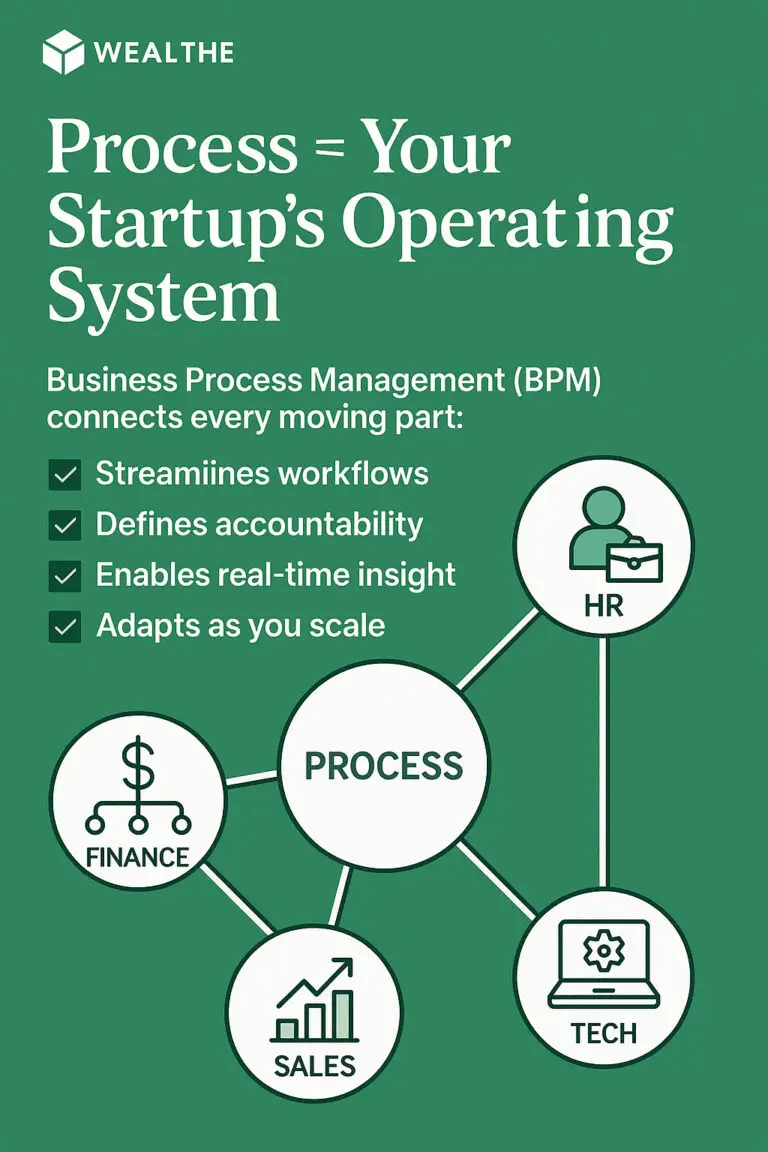
Business process management (BPM) plays a vital role in scalability, helping companies streamline their business operations and improve process execution, and should be considered when evaluating a business’s growth potential.
Business process automation (BPA) is a crucial aspect of scalability, enabling companies to automate processes for increased efficiency—a key factor in reducing cost savings and improving operational efficiency.
Technology supports scalability by helping businesses accomplish more in less time, making it a vital component of process automation and operational efficiency.
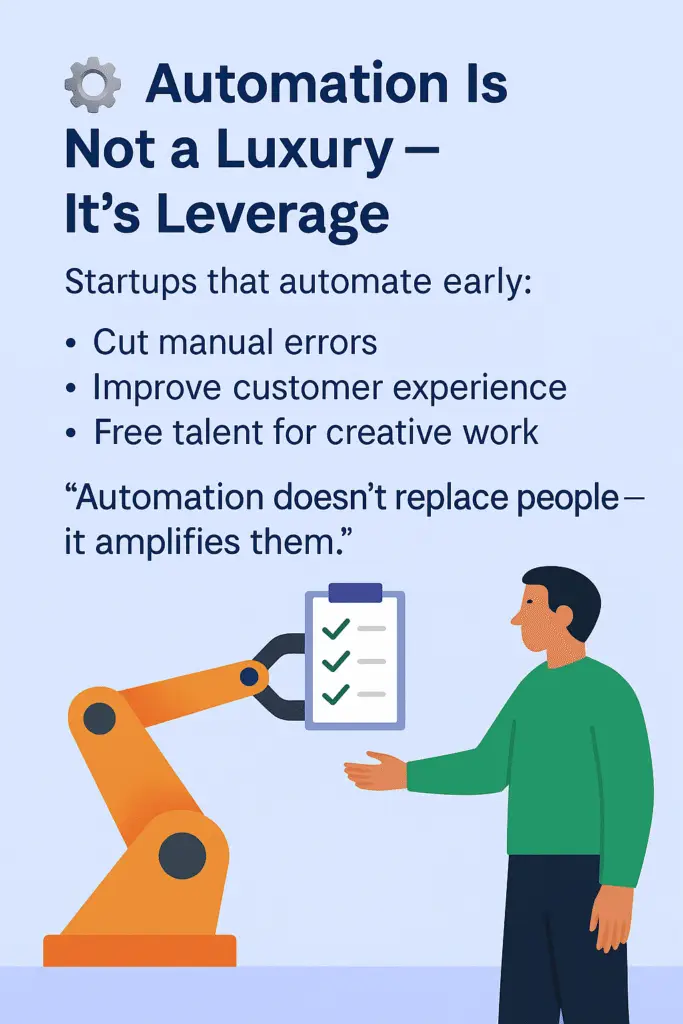
Automating existing processes helps businesses reduce manual errors, increase productivity, and enhance customer experience.
A bpm suite (BPMS) enables companies to design, execute, and monitor their business processes as a comprehensive tool for process automation and management, making it an essential platform for process improvement and optimization.
BPM methodologies include principles such as Six Sigma and lean principles to promote process improvement, further enhancing the efficiency and scalability of business operations.
Customer Relationship Management (CRM) systems like HubSpot and Salesforce ensure a consistent customer experience and a repeatable sales process.
By automating processes, companies can operate cost effectively, focus on high-value tasks, drive greater business value, and support growth. BPM also provides more agility for businesses to adapt and grow in a dynamic market.
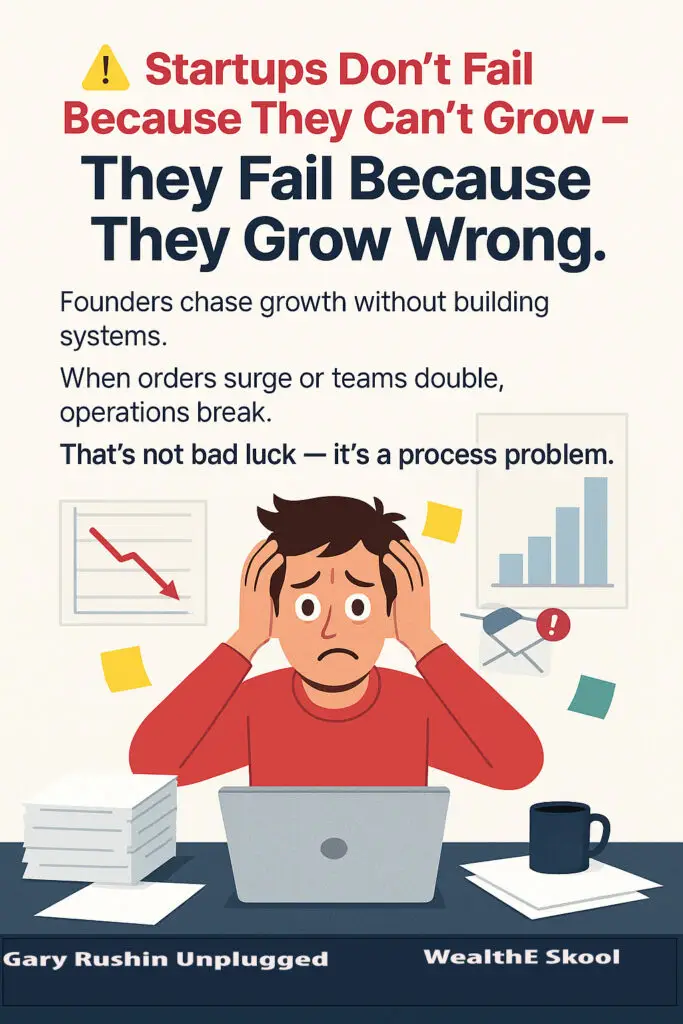
A well-developed business model is critical for scalability, outlining how a company will generate revenue and achieve growth – a key factor in determining a company’s ability to scale up. Achieving product market fit is essential before attempting to scale, as it validates the business model and ensures there is a strong demand from the target market. Nearly 70% of tech startup failures are due to an organization scaling too early in its development, highlighting the importance of timing and readiness in the scaling process.
Business model development, especially in the early stage and early stages of a startup, involves identifying key factors such as customer acquisition costs, revenue streams, and cost structures.
A scalable business model should be adaptable to changing market conditions, allowing companies to pivot and adjust their strategy as needed.
Startup founders should focus on developing a business model that can support rapid growth and expansion into new markets, and consider venture capital as a potential funding source once a scalable model is established.
Process management is essential for scalability, involving process design, execution, and monitoring of business processes—a key factor in improving operational efficiency and reducing costs.
Using a process model allows companies to analyze and optimize processes by comparing real-time execution with established frameworks, helping to eliminate inefficiencies, reduce waste, and improve productivity—a key factor in achieving cost savings and increasing revenue growth.
BPM enables companies to analyze and improve their internal processes, identifying areas for optimization and implementing changes to drive growth.
By optimizing processes through structured management rather than relying on ad hoc approaches, companies can improve their overall performance, increase efficiency, and support sustained growth.
Managing an increasing workload is a major challenge as companies scale, requiring careful planning to prevent employee burnout and maintain efficiency. Growing companies must focus on developing leadership and talent acquisition strategies to support rapid expansion and stay competitive. Many startup founders struggle with delegation and relinquishing control as their business grows, making it essential to build a strong, adaptable team. Hiring the right people is critical for successful scaling, as is creating a proper onboarding system for new hires to ensure they integrate effectively into the organization. As a startup expands, the existing workforce may face an increasing workload, potentially leading to fatigue and burnout, which underscores the need for effective workload management strategies. Scaling requires that companies need to establish a separate marketing function from sales to ensure growth. Human resources should be aligned with the company’s business strategy, ensuring that the right people are in the right roles to support scalability. Successful scalability involves having systems in place that allow the organization to operate even when leadership steps away.
Business rules and governance are essential for scalability, providing a framework for decision-making and ensuring compliance with regulations – a key factor in reducing risk and ensuring sustained growth.
Companies should establish clear business rules and governance structures to guide their operations and ensure consistency across the organization.
BPM enables companies to define and enforce business rules, ensuring that processes are executed consistently and in accordance with regulatory requirements.
Business Operating Systems (BOS) like the Entrepreneurial Operating System (EOS) provide a holistic structure for sustainable growth, emphasizing accountability, discipline, and data-driven decisions.
Documenting processes creates centralized knowledge bases that ensure institutional knowledge is not lost as the team grows.
By establishing clear governance structures, companies can ensure that their business operations are aligned with their overall strategy and goals.
Identifying the particular problem faced by customers is essential, as customer experience is critical for scalability; companies need to deliver high-quality products or services to drive growth and expansion—a key factor in achieving revenue growth and increasing market share.
Business activity should be focused on delivering value to customers, with processes designed to support customer acquisition, retention, and satisfaction.
Companies should use data and analytics to inform their business activity, making informed decisions that drive growth and improvement.
By prioritizing customer experience, companies can build a strong reputation, drive word-of-mouth marketing, support sustained growth, and strengthen their market position.
Product or service development is essential for scalability, as companies need to continuously innovate and improve their offerings to stay competitive – a key factor in achieving rapid growth and expansion.
Companies should focus on developing products or services that meet the needs of their target market, with a strong emphasis on quality, functionality, and user experience.
BPM, along with other technologies such as workflow management systems, smart form software, and IoT solutions, enables companies to design and execute processes that support product or service development, from concept to launch.
A scalable system enhances user experience and reliability by maintaining consistent performance during sudden traffic spikes.
By prioritizing product or service development, companies can drive growth, increase revenue, and expand into new markets. Project management also plays a crucial role in coordinating the unique, one-time tasks involved in development efforts.
Ensuring consistency and quality is critical for scalability, as companies need to deliver high-quality products or services consistently to drive growth and expansion – a key factor in achieving sustained growth and increasing customer satisfaction.
Companies should establish clear quality control processes and ensure that all products or services meet their standards.
BPM enables companies to define and enforce quality control processes, ensuring that products or services are delivered consistently and to a high standard.
By prioritizing quality and consistency, companies can build a strong reputation, drive customer loyalty, and support sustained growth.
Leadership and strategy are essential for scalability, as companies need strong leaders who can develop and execute a clear business strategy – a key factor in achieving rapid growth and expansion.
The leadership requirements will change significantly as a startup transitions to a scale-up, necessitating a shift in focus from hands-on management to strategic oversight and team empowerment.
Companies should focus on developing a strong leadership team that can drive growth, innovation, and entrepreneurship.
Leadership should be aligned with the company’s business strategy, ensuring that all activities are focused on driving growth and expansion.
By prioritizing leadership and strategy, companies can drive growth, increase revenue, and expand into new markets.
Scale ups, which are companies that have moved beyond the startup phase, face unique challenges as they continue their journey of business growth and expansion—critical factors for scalability and increasing market share.
Scaling startups must address these challenges by developing a growth strategy that is aligned with their business model and scalable.
BPM enables companies to design and execute processes that support startup growth and expansion, from market analysis to launch.
By prioritizing business growth and expansion, companies can drive revenue growth, increase market share, and achieve sustained growth.
Managing change and risk is essential for scalability, as companies need to be able to adapt to changing market conditions and mitigate risk – a key factor in reducing risk and ensuring sustained growth.
Companies should establish clear processes for managing change and risk, with a strong emphasis on agility and adaptability.
BPM enables companies to define and enforce processes for managing change and risk, ensuring that all activities are aligned with the company’s overall strategy and goals.
By prioritizing change and risk management, companies can reduce risk, drive growth, and achieve sustained growth.
Most companies face challenges in establishing effective performance metrics and monitoring, which are critical for scalability, as companies need to be able to measure and track their performance to drive growth and improvement – a key factor in achieving rapid growth and expansion.
Companies should establish clear performance metrics and monitoring processes, with a strong emphasis on data-driven decision-making.
BPM enables companies to define and enforce performance metrics and monitoring processes, ensuring that all activities are aligned with the company’s overall strategy and goals.
By prioritizing performance metrics and monitoring, companies can drive growth, increase revenue, and achieve sustained growth.
Technology and infrastructure are foundational to effective business process management, enabling companies to scale up and support growth in a competitive market.
Robust technology systems allow businesses to automate processes, streamline workflow management, and ensure seamless process execution across all business operations.
Cloud-based infrastructure enables dynamic scaling up or down based on demand, avoiding significant upfront hardware investments and providing flexibility for growing businesses.
Monitoring and continuous testing of systems under simulated high load helps address potential issues proactively before they impact users, ensuring reliability and scalability.
Cloud computing services like AWS, Google Cloud, and Microsoft Azure provide flexibility, cost-effectiveness, and the ability to scale resources dynamically.
Microservices architecture allows the design of applications using independent, interchangeable components, enabling flexible updates and scaling without impacting the entire system.
Investing in scalable infrastructure ensures that as companies grow, their systems can handle increased demand and support greater business value without sacrificing operational efficiency.
BPM enables organizations to integrate new technologies and adapt their infrastructure to evolving business needs, ensuring that processes remain efficient and aligned with business strategy.
By prioritizing technology and infrastructure, businesses can enhance process management, reduce bottlenecks, and create a strong foundation for sustained growth and expansion.
Global expansion and market entry represent pivotal opportunities for businesses seeking to scale up and achieve significant revenue growth. A successful business strategy for entering new markets requires a deep understanding of local market conditions, customer acquisition costs, and the competitive landscape. By leveraging business process management (BPM), companies can streamline their internal processes and ensure that their business operations are efficient and adaptable to diverse regulatory and cultural environments. Utilizing existing assets for scalability allows for more rapid entry into new markets, as demonstrated by companies like Airbnb.
BPM enables organizations to automate workflows, standardize process management, and maintain operational efficiency as they expand into new markets. This not only reduces costs but also allows businesses to respond quickly to market changes and customer needs. With BPM, companies can make informed decisions about resource allocation, market entry timing, and product localization, all of which are critical for building a scalable business model that supports sustained growth.
Furthermore, BPM provides the structure needed to monitor and optimize processes across multiple regions, ensuring consistency and quality while supporting growth. By integrating BPM into their global expansion strategy, businesses can minimize risks, capitalize on new opportunities, and position themselves for long-term success in the global marketplace.
Innovation and entrepreneurship are at the heart of every successful business, especially for startups and scale ups aiming for rapid growth. Many startup founders are driven by the desire to create a unique product or service that addresses a specific market need. However, achieving sustained growth requires more than just a great idea—it demands a commitment to process improvement, business process automation, and the development of a scalable business model.
Business process automation allows companies to streamline repetitive tasks, freeing up valuable resources for creative problem-solving and strategic initiatives. By optimizing workflow management and automating processes, businesses can increase efficiency, reduce errors, and focus on delivering greater business value to their customer base. BPM enables founders to identify bottlenecks, implement best practices, and continuously refine their processes to support growth.
Embracing innovation through BPM not only enhances customer experience but also empowers companies to adapt quickly to changing market demands. This agility is essential for scale ups looking to expand their market presence and outperform competitors. By fostering a culture of entrepreneurship and leveraging BPM, businesses can make data-driven decisions, support growth, and unlock new opportunities for revenue generation and market expansion. Ultimately, BPM enables many startup founders to transform innovative ideas into scalable, successful businesses.
Scalability is critical for businesses that want to achieve rapid growth and expansion, and requires a focus on business process management, business model development, and leadership and strategy – key factors in achieving sustained growth and increasing market share.
By prioritizing scalability, companies can drive revenue growth, increase market share, and achieve sustained growth.
BPM enables companies to design and execute processes that support scalability, from concept to launch.
By leveraging BPM and prioritizing scalability, companies can achieve their growth goals and become successful businesses.
Gary Rushin is a seasoned CPA, former investment banker, and turnaround professional with over 30 years of experience in accounting, finance, and business strategy. He has advised Fortune 500 companies, growth-stage startups, and distressed businesses on financial restructuring, corporate governance, and risk management. Known for his expertise in forensic accounting and financial statement analysis, Gary combines deep technical knowledge with AI-driven tools to help entrepreneurs, investors, and executives uncover hidden risks, protect capital, and drive value.