
Developing Effective Entrepreneur and Enhancement Tools
Developing Effective Entrepreneur and Enhancement Tools
A well-planned exit strategy is crucial for startup founders to achieve their financial goals and maximize business value.
Understanding the different types of exit strategies, such as acquisitions, IPOs, and mergers, is essential for making informed decisions.
A clear path to exit planning helps startups navigate market volatility and aligns with investor expectations. Investor expectations for return timelines — typically 5-10 years — should align with business, financial, and personal objectives to create a cohesive exit strategy and prevent conflicts.
Developing a strong leadership team and creating a readiness checklist are critical steps in preparing for a successful exit. Succession planning is also essential, as it prepares for leadership transitions and helps maximize business value during exit.
Startup founders should focus on creating a solid business strategy that incorporates exit planning from the outset. Contrary to common belief, there’s no definitive answer for when it’s right to sell a startup, as the decision depends on various factors unique to each business. Many founders do not achieve IPOs or large-scale exits; acquisitions or even failure are common outcomes for startups.
The decision whether to sell can be both difficult and deeply personal for entrepreneurs. Personal circumstances, such as pending family responsibilities, may alter an entrepreneur’s risk profile and decision to sell. Personal factors, such as student loans, plans to start a family, and financial challenges, can also influence an entrepreneur’s decision to sell.
It is important to ensure that exit strategies align with personal goals so the chosen path reflects the founder’s broader life aspirations and legacy. Family succession—the passing of a business to a family member—is another option entrepreneurs may consider as part of their exit strategy, underscoring the importance of maintaining legacy and continuity within the family.

A comprehensive business strategy should include a well-defined exit plan that accounts for industry trends and market conditions.
Exit planning is an integral part of business strategy, enabling companies to create value and achieve their goals.
A strong exit strategy helps businesses mitigate risks and capitalize on opportunities, ultimately leading to a successful transaction.
Investors and potential buyers consider a company’s exit strategy when evaluating its growth potential and returns. In particular, a company’s assets, relationships, and management succession are critical to the valuation and sale process.
A clear exit plan provides direction and focus for the organization, ensuring that all stakeholders are aligned and working towards a common goal. Exit planning addresses both business and personal considerations, including taxes and shareholder value. The tax implications of different exit strategies can vary significantly, making expert advice necessary. Reputable professional organizations also play a key role in certifying and validating exit planning advisors.
Business closures often arise from the absence of effective exit planning and preparation. Notably, 53% of business owners lack a written, formal transition plan. Additionally, 78% of business owners still need to build a transition team, which is critical to ensuring a smooth exit. Exit planning should begin early in the investment process to prepare for future transitions, ensuring businesses are ready to seize opportunities when the time comes. Early exit planning creates a pathway to liquidity, rewards for founders, and alignment with investor expectations.
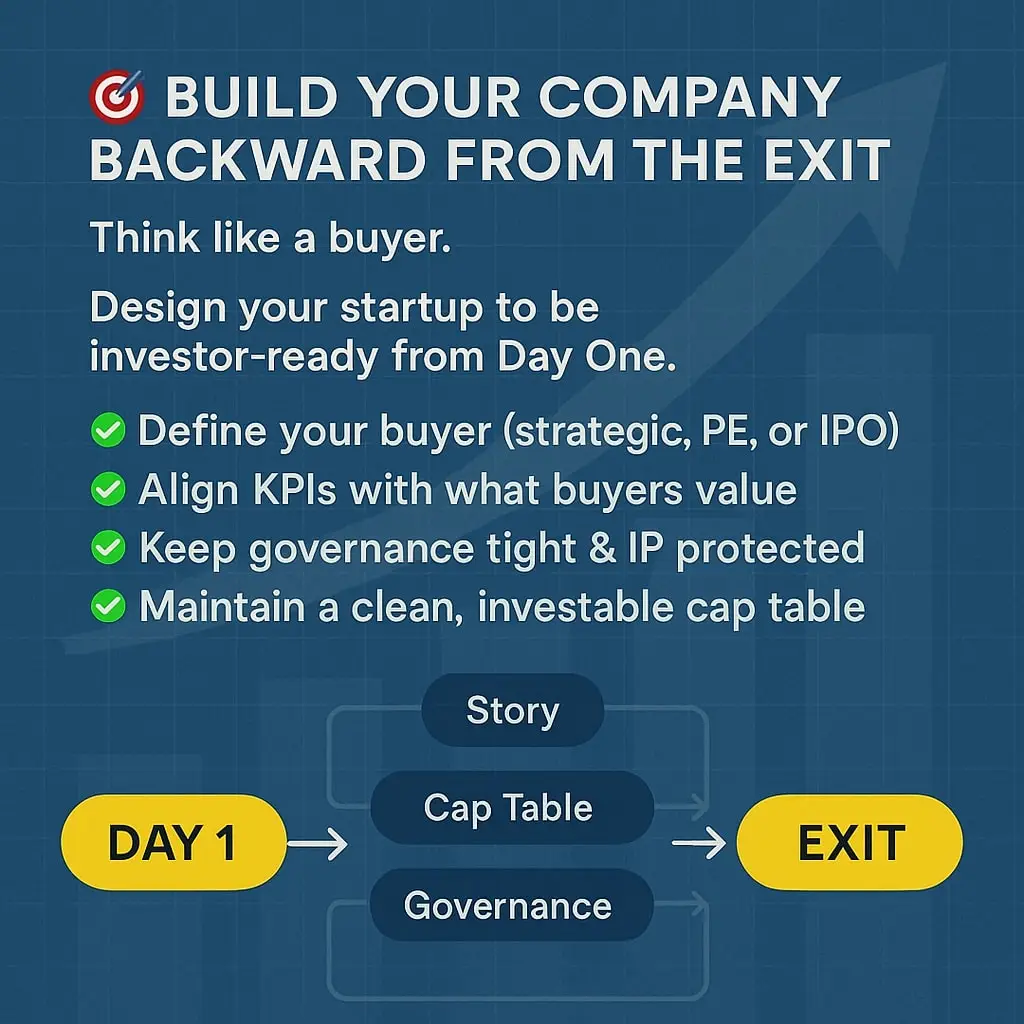
Assessing a company’s readiness for an exit is critical and involves a thorough review of financial statements, operations, and customer relationships. A readiness checklist helps identify areas for improvement, ensuring that the business is prepared for due diligence and negotiation. Choosing an exit strategy involves multiple processes and careful planning throughout the startup’s growth and exit phases.
Developing a strong leadership team and creating a succession plan are essential for a smooth transition. Companies should prioritize risk mitigation and create a plan to address potential risks and liabilities. The majority of business value derives from relational capital, specifically customer relationships. Buyers scrutinize customer and revenue health during the due diligence process to assess the sustainability of cash flow.
Preparation is key to a successful exit, and startup founders should dedicate resources to exit planning and strategy development. Significant value is lost due to the absence of or inadequate exit planning. Only 32% of business owners have a documented exit plan. Formal education and training for advisors can enhance their effectiveness in exit planning, ensuring better outcomes for businesses. Certifications or designations can also be achieved by professionals, further enhancing their skills and credibility in exit planning.
The exit planning process involves several stages, including preparation, valuation, negotiation, and can include mergers as a strategic exit option.
Companies should engage trusted advisors, such as investment bankers or consultants, to guide them through the process. Building relationships with potential buyers in advance can facilitate smoother acquisitions. Thorough preparation and clear due diligence can lead to smoother negotiations and more favorable deal outcomes.
A well-planned exit strategy considers the interests of all stakeholders, including investors, employees, and customers.
The exit planning process should be flexible and adaptable, allowing companies to respond to changing market conditions and industry trends.
Creating a clear, actionable plan is essential to achieving a successful exit and maximizing business value. An effective M&A process involves thorough operational readiness to ensure the business can function independently post-acquisition. Companies often undergo financial audits to ensure compliance and clean financial records before M&A transactions. For struggling startups, accepting an acquisition offer can be preferable to risking failure, as it provides a viable path forward.
There are several types of exit strategies, including acquisitions, IPOs, mergers, and sales to private equity firms.
Each type of exit has its advantages and disadvantages, and companies should carefully consider their options.
Acqui-hires and other alternative exit strategies can lead to successful outcomes for startups and their employees. An Acqui-hire is when a startup is acquired primarily for its talented employees rather than its products or services.
Companies should evaluate their options based on their financial goals, market conditions, and industry trends. Early-stage companies are often targets for acquisitions due to their potential or technology. Being acquired by a larger company can offer strategic fit and access to new resources, but may also present challenges such as culture clashes or layoffs.
A well-planned exit strategy should account for all stakeholders’ interests and provide a clear path forward. An Initial Public Offering (IPO) involves selling shares to the public on a stock exchange. Liquidation is the process of selling a company’s assets to pay off debts, typically as a last resort. In some exit strategies, the startup is sold to maximize returns or achieve strategic goals. A Management Buyout (MBO) occurs when the existing management team purchases the company from its owners, offering another viable exit option. Sales to employees, such as through employee stock ownership plans (ESOPs), can ensure a smooth transition and help retain key staff.
Valuation and due diligence are critical steps in the exit planning process that can significantly impact the outcome for startup founders. Conducting a thorough valuation allows you to accurately determine your business value, identify strengths, and uncover areas for improvement before entering negotiations. This process involves a detailed analysis of financial statements, operations, and market position, ensuring that your company is positioned to maximize value in any potential transaction.
Due diligence is equally essential, as it provides potential buyers or investors with confidence in your company’s operations and financial health. By dedicating resources to this process and assembling a strong leadership team, you can address potential risks or gaps, making your business more attractive to buyers. Startup founders should also consider investor expectations and market volatility, as these factors can influence both valuation and the due diligence process. Proactive exit planning and preparation create a clear path to a successful exit, helping you achieve your financial goals and ensuring your company is ready for a merger, acquisition, or other exit strategy.
Negotiation and deal-making are pivotal moments in the exit planning journey, requiring startup founders to combine strategic thinking with strong leadership. A successful IPO or acquisition hinges on your ability to negotiate favorable terms, structure deals that align with your exit strategy, and respond to shifting industry trends. Building a strong leadership team and developing a comprehensive exit plan instills confidence in both your organization and potential buyers.
Having a trusted advisor by your side can provide actionable insights and help you navigate complex negotiations, from understanding the nuances of your financial statements to identifying opportunities for risk mitigation. Staying informed about market conditions and industry trends allows you to make data-driven decisions and adapt your strategy as needed. By focusing on clear communication, thorough preparation, and leveraging your company’s strengths, you can achieve a successful exit and ensure a smooth transition for all stakeholders involved.
Avoiding common pitfalls is essential for startup founders aiming for a successful exit. One of the most frequent mistakes is neglecting to establish a clear exit strategy early in the business lifecycle, which can lead to confusion, misaligned priorities, and diminished company value. Another common issue is failing to prepare adequately for due diligence, resulting in delays or even jeopardizing the transaction.
To avoid these challenges, founders should use a comprehensive readiness checklist and regularly assess the effectiveness of risk mitigation strategies. This proactive approach helps identify potential issues before they escalate, ensuring the company is well-prepared for any scrutiny from buyers or investors. Assembling a strong leadership team and allocating dedicated resources to exit planning further strengthens your position, providing direction and focus throughout the process. By prioritizing preparation and strategic planning, startup founders can increase their chances of a smooth, successful transaction.

Startup founders have access to a wealth of resources to support their exit planning efforts. Engaging a trusted advisor can offer invaluable guidance, helping you navigate complex decisions and align your exit strategy with both personal and financial goals. Online tools, such as M&A readiness checklists, provide step-by-step frameworks to prepare your company for a potential transaction, ensuring no critical detail is overlooked.
Staying informed about industry trends and conducting thorough market research can yield actionable insights, enabling you to make strategic decisions that maximize business value. Leveraging these resources, along with careful planning and clear communication, empowers founders to develop a robust exit plan that meets investor expectations and achieves desired outcomes. By leveraging available tools and expert advice, startup founders can confidently prepare for a successful exit, whether through an acquisition, an IPO, or another exit strategy.
The execution and timing of an exit strategy are critical and require careful planning and preparation.
Companies should prioritize creating a strong leadership team and developing a succession plan to ensure a smooth transition. Succession planning is essential for preparing for leadership transitions, as it involves hiring, training, and retaining a successor CEO or President to maintain business continuity during the exit process.
The exit process should be managed carefully, with a focus on maximizing value and minimizing disruption to the business. A higher company valuation provides more exit options, such as pursuing an IPO.
Companies should be prepared to adapt to changing market conditions and industry trends, and adjust their exit strategy accordingly.
A well-planned exit strategy should provide a clear path forward and ensure a successful outcome for all stakeholders. A strong economy and high M&A activity can enhance company valuations and exit opportunities. Many entrepreneurial successes don’t end with an IPO, as other exit strategies can also yield significant rewards. Realizing a significant payout from a sale can be a life-changing opportunity for younger entrepreneurs burdened with debt. In 2018, 799 venture-backed companies were acquired, while only 85 went public, highlighting the prevalence of acquisitions as an exit strategy. Notably, half of the startups surveyed expect to be acquired, underscoring the importance of acquisition as a common exit route.
Gary Rushin is a seasoned CPA, former investment banker, and turnaround professional with over 30 years of experience in accounting, finance, and business strategy. He has advised Fortune 500 companies, growth-stage startups, and distressed businesses on financial restructuring, corporate governance, and risk management. Known for his expertise in forensic accounting and financial statement analysis, Gary combines deep technical knowledge with AI-driven tools to help entrepreneurs, investors, and executives uncover hidden risks, protect capital, and drive sustainable growth.