


by Gary Rushin, CPA
by Gary Rushin, CPA
Discover essential strategies for effective startup leadership as your team grows. Enhance your skills and navigate challenges.
Introduction to Startup Leadership
Effective leaders develop skills to manage and lead startup teams, focusing on growth and resilience—as seen in many startups and discussed in the Harvard Business Review. Open discussion among startup leaders and teams is crucial for addressing challenges and sharing ideas. Effective communication clearly shares the vision, goals, and feedback, fostering open two-way communication within the team.
Most founders face unique challenges in managing startups that differ from those in established companies, and they must stay ahead of the next challenge, as founders play a pivotal role in shaping the business and making key decisions. The founder mindset is central to decision-making and directly influences the startup’s leadership style and culture. This mindset shapes the founder’s approach to risk-taking, innovation, and adaptability, setting the tone for the entire organization.
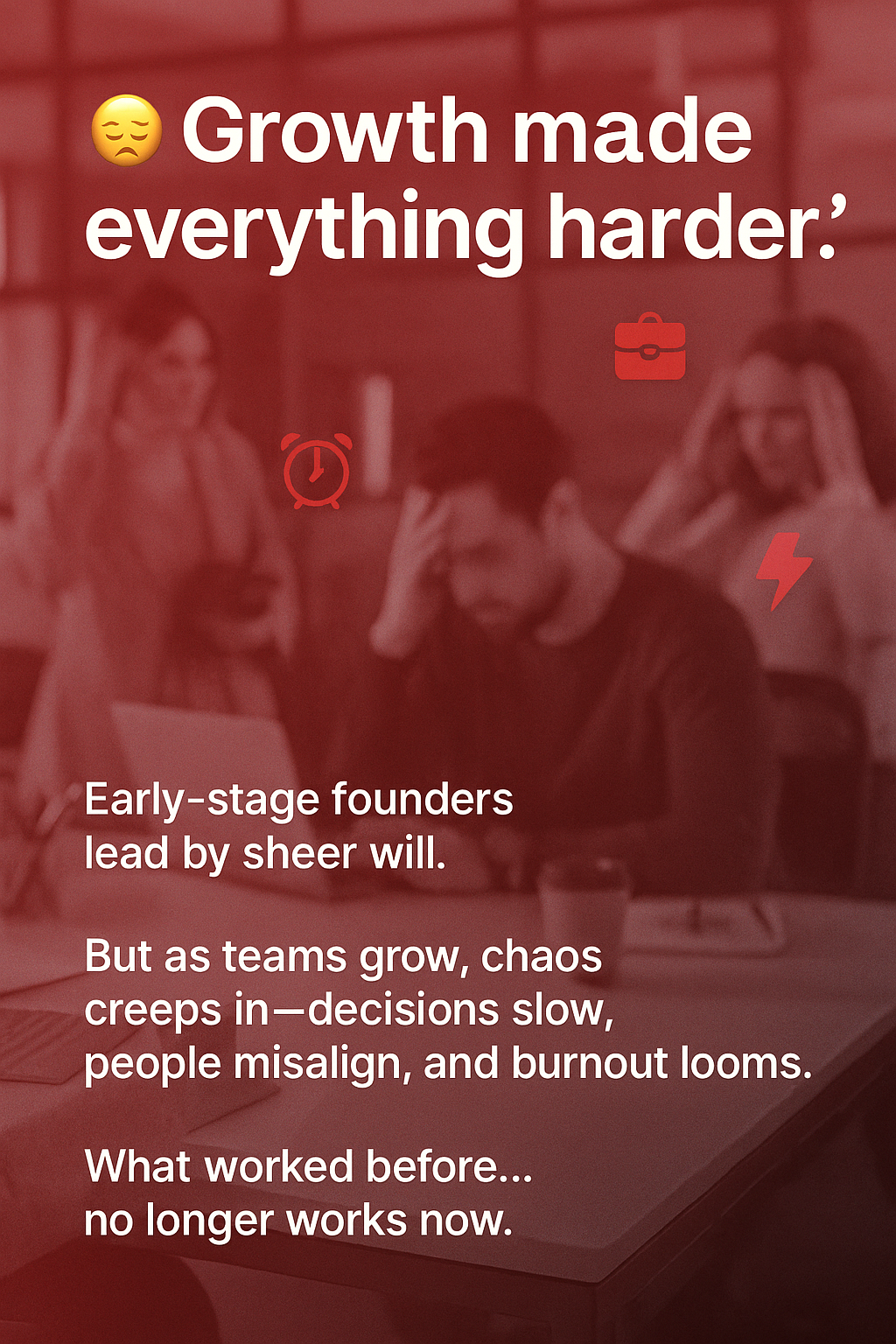
Dealing with difficult situations and ambiguous scenarios—such as making tough decisions about firing employees, pivoting the business model, or even closing the business—is a critical part of the founder’s mindset. Resilience—the ability to overcome setbacks and stay motivated without becoming discouraged—is a key trait for navigating these challenges.
Understanding Customer Pain Points
Successful founders have a deep understanding of their customers’ pain points and obsess over delivering solutions. In the early stage of a startup, a founder often adopts an autocratic or hands-on approach to make fast decisions and build the initial product. Leadership in a traditional company is typically top-down and focused on maintaining stability, whereas entrepreneurial leadership in a startup is typically bottom-up and focused on growth.
Start-up founders and CEOs face challenges at every stage of the journey. Successful founders make difficult decisions in the face of great uncertainty and imperfect information, demonstrating resilience and adaptability. Founders often develop judgment through real-world experience as they face challenges during the startup journey. Investors consider the top team’s credibility and experience the most important non-financial indicator of performance, underscoring the critical role of leadership in startup success.
Capturing the Right Team and Hiring Strategy
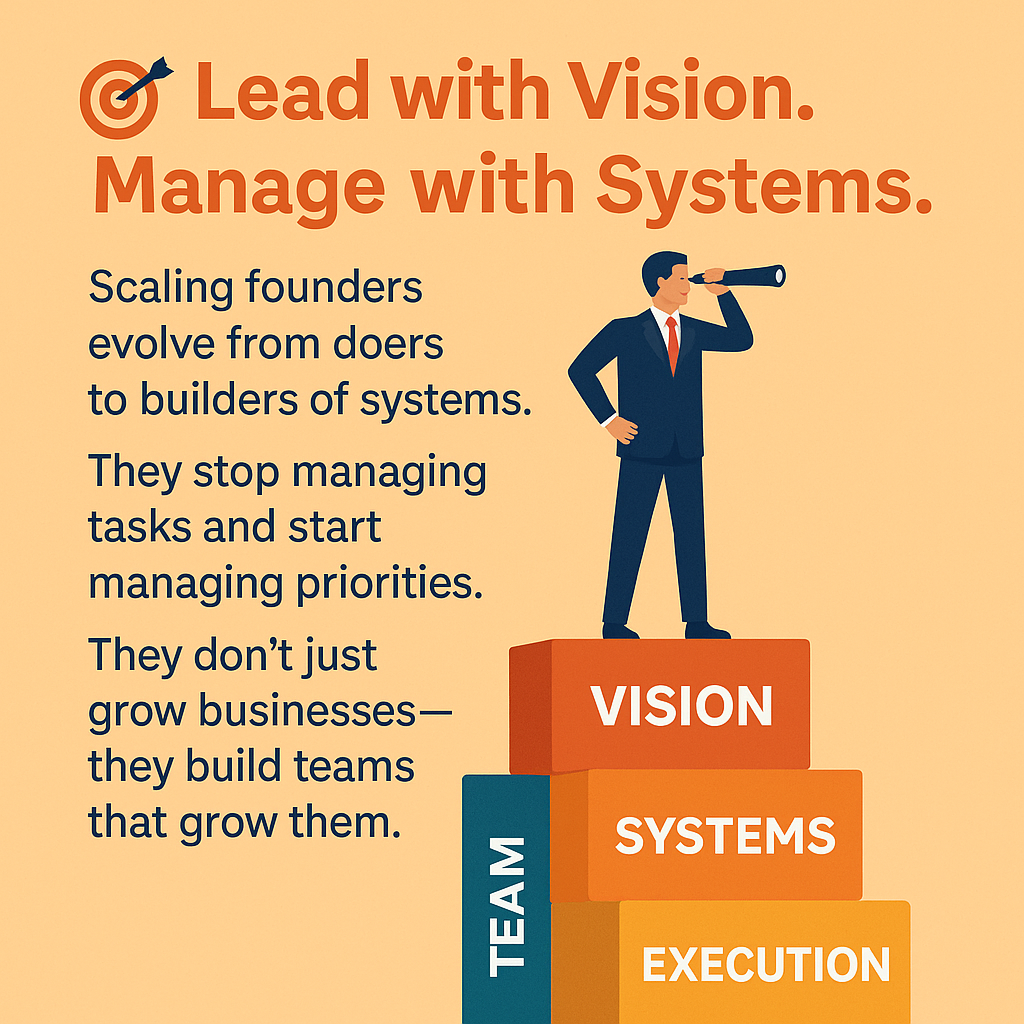
Leadership strategies, including marketing teams and employee retention, are essential for success in the startup industry. Leaders must determine the best strategies for their teams and organizations. Delegation—the act of entrusting tasks to the right people—is a key leadership skill that maximizes team efficiency and empowers employees to take ownership of their roles. During the transition stage, a founder should evolve from being a hands-on problem-solver to an effective delegator and manager.
Execution involves delivering on promises and efficiently achieving concrete goals to turn vision into reality. Hiring strategies should target talent with expertise in new products when expanding product offerings. Companies that successfully expand into new markets typically double their headcounts for junior staffers and senior leaders, ensuring they have the capacity to meet new demands.
Conflict management—the ability to handle disagreements constructively and deliver difficult conversations—is another critical skill for leaders to master to maintain team cohesion and productivity. Emotional intelligence, which includes understanding and managing one’s own emotions and those of others, allows leaders to pivot between different leadership styles based on situational needs. This encompasses empathy and compassion.
Building a Solid Business Model
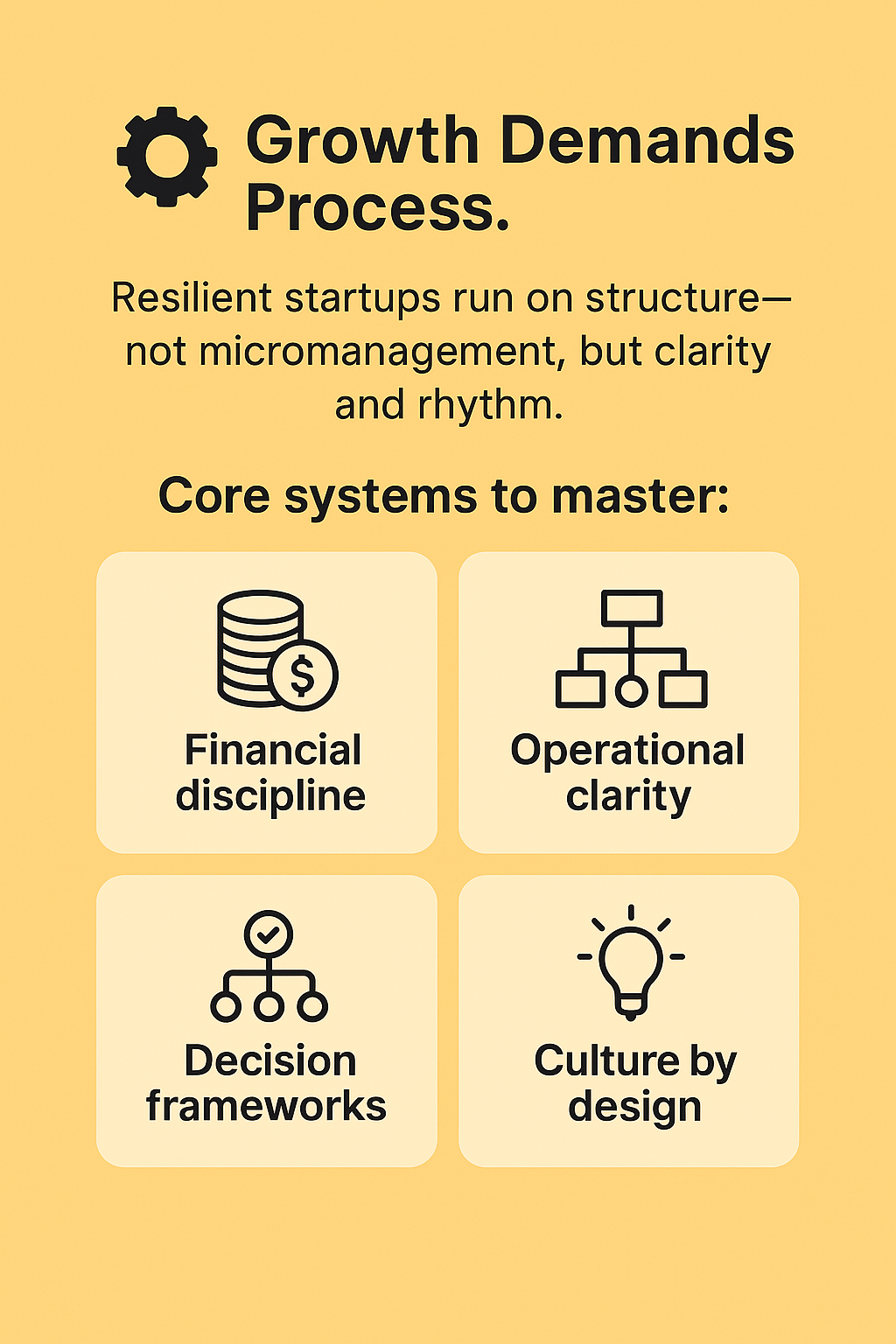
A strong foundation, built on a solid business model, is critical for startups to track progress and achieve growth. This strong foundation can help prevent failure, which is a common risk for startups. Successful companies pay attention to getting the organizational basics and operating model right in the early stages, ensuring a stable platform for future growth.
Startups should also invest in creating a repeatable sales model to achieve rapid growth, as this provides a scalable framework for consistent revenue generation. Companies often initiate a new funding round to finance their growth once they reach $10 million ARR. Financial acumen includes understanding key metrics, controlling the burn rate, and managing cash flow.
Building a Strong Foundation
-
Building a strong team is the first step in creating a successful startup, focusing on hiring the right people and developing their skills. A strong foundation is developed over time through deliberate effort.
-
A well-defined business model, including product teams and customer success strategies, helps businesses and startups thrive in a competitive environment. Startups often develop customer success practices early to foster strong customer relationships and ensure satisfaction.
-
Successful startups involve the CEO in the recruitment process for critical roles. Effective management practices, such as focused leadership and clear communication, are vital for startups to succeed and grow. It is important to involve all team members in building a strong foundation.
-
Companies like Harvard Business Review emphasize the importance of a strong foundation for startups to achieve long-term success. Startups should be deliberate about their hiring practices and consider cultural fit before hiring. Building trust and respect within the team leads to improved productivity, and using diagnostic tools such as employee surveys can help identify and address cultural issues. Successful startups focus on building a compelling product with a defined market and a buyer, ensuring they meet customer needs effectively.
Vision and Mission Development
-
Building a strong team is the first step in creating a successful startup, focusing on hiring the right people and developing their skills. A strong foundation is developed over time through deliberate effort.
-
A well-defined business model, including product teams and customer success strategies, helps businesses and startups thrive in a competitive environment. Startups often develop customer success practices early to foster strong customer relationships and ensure satisfaction.
-
Successful startups involve the CEO in the recruitment process for critical roles. Effective management practices, such as focused leadership and clear communication, are vital for startups to succeed and grow. It is important to involve all team members in building a strong foundation.
-
Companies like Harvard Business Review emphasize the importance of a strong foundation for startups to achieve long-term success. Startups should be deliberate about their hiring practices and consider cultural fit before hiring. Many founders acknowledge that people decisions are critical to startup success, yet they often pay less attention to them. Employee surveys are useful diagnostic tools for identifying cultural issues.
Leaders must ensure that the company’s vision and mission are not only clearly communicated but also integrated into daily operations and decision-making processes. Regular discussions with employees about the company’s goals and values help reinforce this shared sense of purpose and allow teams to track progress toward key objectives. When employees understand and connect with the company’s mission, they are more likely to feel motivated and engaged, thereby improving employee retention. Successful companies have a carefully curated culture nourished by the entire organization.
A compelling vision and mission also serve as a guide for making strategic decisions, enabling companies to adapt and grow while staying true to their core values. By developing and consistently communicating a strong vision and mission, leaders can create an environment where employees feel involved and inspired, setting the stage for ongoing success and building a resilient organization. Startups often focus on building a strong top team to manage personal capacity during intense scaling.
Business Model Innovation
In today’s rapidly evolving business environment, business model innovation has become a critical strategy for many start-ups aiming to stay ahead of the competition and achieve sustainable growth. As Harvard Business Review highlights, effective leaders understand that having a great product or service alone is not enough—companies must continuously evaluate and refine their business models to remain relevant. This process involves generating new ideas, exploring untapped opportunities, and developing strategies that align with changing customer needs. Identifying the best buyer and market for the product is critical to securing product-market fit and ensuring the business model aligns with customer demands. By fostering a culture of innovation, leaders can create new revenue streams, enhance employee retention, and drive overall success. Many start-ups that focus on business model innovation are better positioned to adapt to market shifts, support their employees, and achieve long-term growth. Ultimately, a commitment to ongoing innovation enables companies to create value not only for their customers but also for their teams and stakeholders.
Stakeholder Management
Stakeholder management is a crucial element of successful business leadership, especially for start-ups navigating rapid growth and change. Building and maintaining strong relationships with key stakeholders—including customers, investors, and employees—is essential for developing a business model that supports long-term success. Research shows that companies prioritizing stakeholder management are better positioned to achieve growth, foster innovation, and stay ahead of the competition.
Effective leaders recognize the importance of understanding stakeholder needs and expectations. This involves regular communication through meetings, surveys, and feedback sessions, allowing leaders to gather new ideas and address concerns proactively. By involving stakeholders in decision-making, companies can create a supportive environment that fosters collaboration and trust.
Strong stakeholder management also helps companies identify opportunities for improvement and innovation, ensuring that the business model evolves to meet changing market demands. For founders and managers, developing strategies to engage stakeholders is essential for building credibility and driving business growth. This approach not only enhances employee retention and customer satisfaction but also attracts investors who are confident in the company’s leadership and vision.
Ultimately, prioritizing stakeholder management enables companies to build lasting relationships, create value for all involved, and achieve sustainable success in a dynamic business environment.
Funding and Financial Management
Effective financial management is a crucial pillar for startups aiming to achieve sustainable growth and long-term success. As highlighted by Harvard Business Review, many start-ups encounter significant challenges securing funding and managing finances, which can ultimately determine whether a business thrives or fails. A well-structured business model, paired with a robust financial strategy, is essential for startups to stay ahead in a competitive landscape.
Startups must be proactive in developing a clear financial plan that aligns with their overall business strategy. This includes setting realistic budgets, closely monitoring cash flow, and regularly reviewing financial performance to ensure resources are allocated efficiently. Many start-ups benefit from establishing strong relationships with investors and financial advisors, who can provide valuable guidance and support as the business grows.
In addition, it is vital for startups to anticipate future funding needs and explore various financing options, such as venture capital, angel investment, or strategic partnerships. By diversifying funding sources and maintaining financial discipline, startups can reduce risk and increase their chances of success. Transparent financial management also builds trust with stakeholders, including employees, investors, and customers, reinforcing the company’s credibility and leadership.
Ultimately, effective financial management enables startups to lead with confidence, make informed decisions, and achieve their growth objectives. By prioritizing financial strategy as an essential component of the business model, startups can overcome common pitfalls, avoid unnecessary failure, and position themselves for lasting success in a dynamic business environment.
Legal and Regulatory Compliance
Legal and regulatory compliance is a critical component of startup leadership that can determine an organization’s long-term success and reputation. As Harvard Business Review highlights, many start-ups overlook the importance of compliance in the rush to innovate and scale, but this oversight can lead to costly setbacks, including financial penalties, loss of customer trust, and even business failure. Effective leaders understand that staying ahead of legal and regulatory requirements is not just about avoiding risk—it’s about building a strong foundation for sustainable growth.
Managing compliance begins with developing a thorough understanding of the regulatory landscape relevant to your industry and market. Startups must proactively identify the laws and standards that apply to their business model, including data privacy, intellectual property, employment law, and industry-specific regulations. Leading organizations invest in ongoing education and training for their teams, ensuring that everyone understands their responsibilities and the potential consequences of non-compliance.
Leaders play a critical role in fostering a culture of compliance by setting clear expectations, implementing robust processes, and regularly reviewing policies as the business evolves. This commitment to compliance should be integrated into the company’s values and daily operations, empowering employees to raise concerns and contribute to a transparent, ethical environment.
Ultimately, prioritizing legal and regulatory compliance enables start-ups to build trust with customers, investors, and partners, positioning the business for long-term success. By leading with integrity and staying ahead of regulatory changes, effective leaders can protect their organizations, support growth, and ensure their startups thrive in a complex, ever-changing business environment.
Scaling and Growth
-
Scaling a startup requires strategic planning at every stage of growth, as each stage presents unique challenges and decision points, including developing marketing strategies and expanding product teams.
-
Many start-ups face challenges in scaling, but with the right approach and support from investors who can provide resources and guidance, they can achieve rapid growth and increase their market share.
-
Effective leaders must adapt to changing circumstances and make informed decisions to drive growth and expansion, while the board provides strategic oversight during periods of rapid growth. The board relationships in startups should be carefully selected for complementary expertise to ensure effective guidance.
-
The go-to-market strategy is one of the most important growth engines for companies. A strong company culture, focused on innovation and employee engagement, is essential for startups to stay ahead of the competition, and leveraging platforms can help expand market reach and support growth strategies. Companies often face organizational challenges that pose the highest risks during scaling, making it essential to address these proactively.
Analyzing both successes and failures during the scaling process is crucial for long-term organizational success.
Leadership Development
-
Developing leadership skills is crucial for startup founders, including the ability to manage and motivate teams and to continuously develop their expertise through ongoing leadership development.
-
An effective leader must create a positive work environment, foster innovation, and drive growth.
-
Leadership development programs, such as those offered by Harvard Business Review, can help startup founders and managers develop the skills they need to succeed. It is important for managers to participate in these programs to enhance their leadership capabilities and positively influence workplace culture.
-
A strong sense of commitment and vision is essential for leaders to inspire and motivate their teams. Being involved in leadership development helps leaders further inspire their teams and drive organizational success. Successful founders often surround themselves with people who are smarter or more experienced than themselves.
Company Culture
-
A positive company culture, focused on employee engagement and retention, is vital for startups to achieve long-term success. Supporting workers during periods of change helps maintain stability and morale.
-
Effective leaders must foster a culture that values innovation, creativity, and collaboration. A strong company culture can positively impact employees’ lives by fostering a supportive, motivating environment. A poor work culture creates a toxic environment that harms productivity.
-
Companies that prioritize company culture, such as Google, are often more successful and have higher employee satisfaction rates. Each person within the organization plays a key role in building and sustaining a strong company culture.
-
A strong culture can help startups attract and retain top talent, driving growth and innovation.
Employee Engagement
-
Employee engagement is critical for startups, as motivated, committed employees drive growth and innovation. Because employees spend a significant portion of their time at work, fostering engagement is essential to their satisfaction and productivity.
-
Effective leaders must create a work environment that fosters engagement, including opportunities for learning and development. The office environment, whether physical or hybrid, can greatly influence how engaged employees feel.
-
Companies that prioritize employee engagement, such as Facebook, often see higher productivity and retention rates.
-
A strong focus on employee engagement can help startups build a positive and productive work environment.
Marketing Strategies
-
Developing effective marketing strategies is essential for startups to grow and increase market share.
-
Marketing teams must create and execute plans that drive customer engagement and conversion, while also considering what will motivate customers to pay for the product or service.
-
Marketing plays a crucial role in sustaining growth at scale, requiring strong demand-generation capabilities. Companies that prioritize marketing, such as HubSpot, often see higher growth rates and increased brand awareness.
-
A differentiated product that delivers value is critical for growth, especially in B2B companies, as it helps startups stand out in competitive markets.
-
A strong marketing strategy can help startups stay ahead of the competition and achieve long-term success.
Startups and Entrepreneurship
-
Startups and entrepreneurship require a unique set of skills, including the ability to adapt to changing circumstances and make informed decisions.
-
Effective leaders must navigate the challenges of startup life, including limited resources, high stress, difficult decisions, and high-pressure situations.
-
Companies that prioritize entrepreneurship, such as Silicon Valley, often see higher rates of innovation and growth. However, failures are common in entrepreneurship and provide valuable lessons for future success.
-
A strong focus on entrepreneurship can help startups achieve long-term success and create a positive impact on the industry.
Discussions play a crucial role in fostering learning and collaboration among entrepreneurs, helping them solve problems and build stronger teams.
Resilience and Adaptability
-
Resilience and adaptability are critical for startups, especially at a critical point when these qualities are truly tested by challenges and the need to pivot.
-
Effective leaders must foster a culture that values resilience and adaptability, with a focus on learning and development.
-
Companies that prioritize resilience, such as Airbnb, often see higher growth rates and increased innovation.
-
A strong focus on resilience can help startups stay ahead of the competition and achieve long-term success.
Overcoming Common Challenges
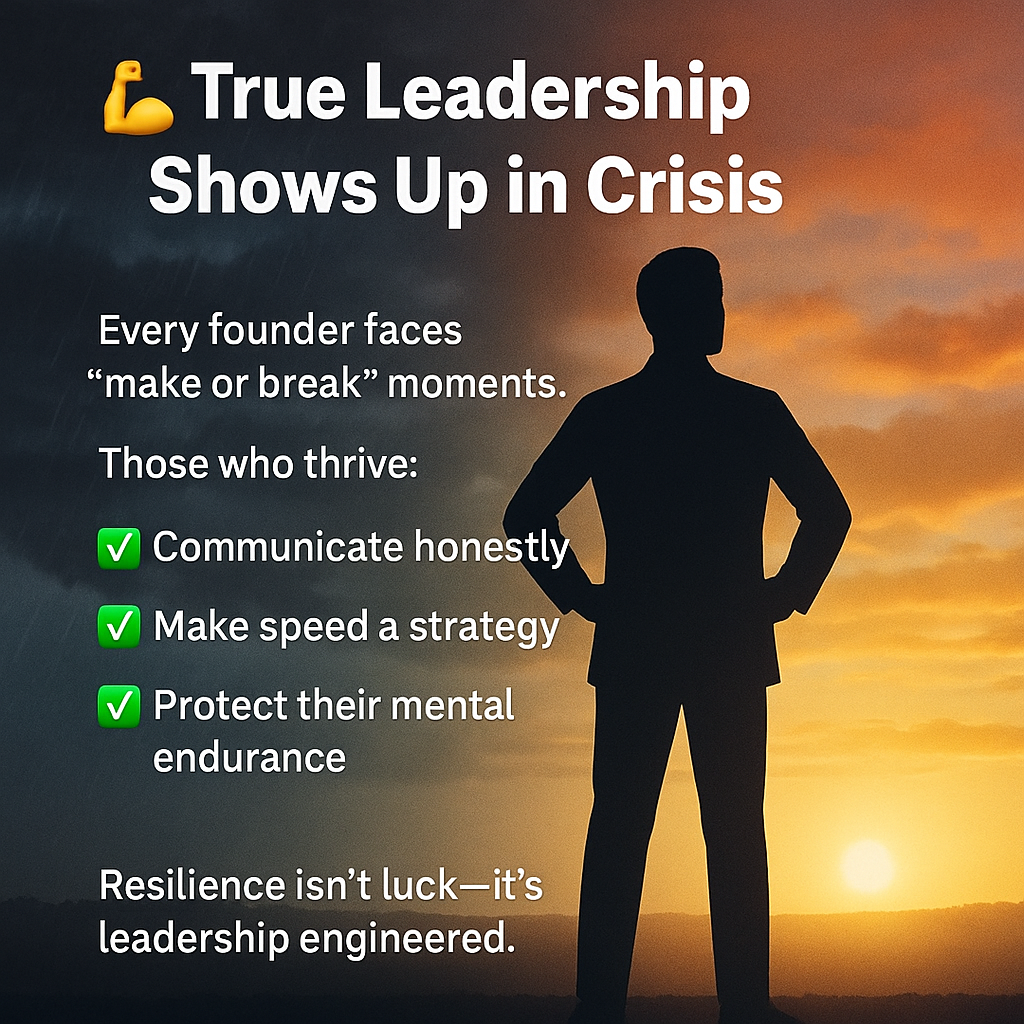
Startups operate in a dynamic environment where challenges are not just inevitable—they are a critical part of the journey toward growth and success. As highlighted by Harvard Business Review, effective leaders recognize that overcoming these obstacles requires a proactive approach, a strong sense of commitment, and a willingness to adapt. One of the most pressing challenges for many startups is building and maintaining a company culture that supports employee retention and fosters innovation. A positive culture is essential for motivating teams, supporting new ideas, and creating an environment where employees feel valued and engaged.
Another significant challenge is developing a business model that can withstand the pressures of a rapidly changing industry. Startups must remain focused on building a flexible, scalable business model, using ongoing research and data analysis to track progress and inform strategic decisions. By staying ahead of market trends and customer needs, startups can avoid common pitfalls and position themselves for long-term success.
As startups grow, managing the transition from a small, close-knit team to a larger organization becomes increasingly complex. Effective leaders must ensure that the company’s core values and sense of purpose remain intact, even as new management structures and processes are introduced. This requires strong leadership skills, clear communication, and a commitment to supporting employees through periods of change.
The risk of failure is ever-present in the startup world, but research shows that many failures stem from organizational and people-related issues rather than a lack of innovative ideas or technical expertise. To mitigate this risk, startups should prioritize leadership development, invest in management training, and foster a culture of continuous learning. M&A is considered a strategic driver of growth even for startups, and many have undergone acquisitions early in their journey. Successful founders operate using structured M&A playbooks that include practices for dealmaking and cultural integration. By equipping teams with the right skills and knowledge, companies can create a resilient organization capable of navigating future challenges.
Measuring Success and Progress
For companies to achieve lasting success, it is essential to measure progress and track the effectiveness of their strategies. Effective leaders set clear goals and establish key performance indicators (KPIs) that allow marketing teams and product teams to monitor their impact and make informed decisions. By leveraging data and analytics, teams can identify what’s working, pinpoint areas for improvement, and adjust their approach to maximize growth. Regularly reviewing progress ensures that everyone in the organization is aligned and focused on achieving shared objectives. This data-driven mindset is crucial for companies looking to optimize their operations, enhance team performance, and stay competitive in a fast-paced industry. Ultimately, measuring success empowers leaders and teams to celebrate wins, learn from challenges, and drive continuous improvement across the business.
Conclusion and Next Steps
Mastering startup leadership requires a holistic approach that combines business model innovation, effective measurement of success, and strong leadership. Companies that focus on these critical areas are better equipped to build a resilient foundation, foster innovation, and achieve their growth objectives. For most founders, the next step is to develop a comprehensive strategy that incorporates these elements, ensuring their company is prepared to face future challenges and seize new opportunities. By staying proactive, embracing continuous learning, and adapting to change, leaders can create an environment where their business and employees thrive. Building on these strategies will help companies not only achieve success but also sustain it in an ever-changing business landscape.
Additional Resources
To further develop leadership skills and business acumen, companies and founders can tap into a wealth of resources designed to support growth and innovation. Harvard Business Review remains a leading source of research and insights on business model innovation, leadership, and strategy. Many start-ups and industry leaders also share their experiences through startup podcasts, offering practical lessons and inspiration. Business leadership courses provide structured opportunities for managers and teams to develop essential skills, while industry reports and research studies keep companies informed about the latest trends and best practices. By leveraging these resources, organizations can expand their knowledge, refine their strategies, and position themselves for long-term success in a competitive environment.
About Gary Rushin
Gary Rushin is a CPA, former investment banker, turnaround CEO, and entrepreneurial coach who helps founders and executives build investor-ready companies. Through WealthE Skool and Gary Rushin Unplugged, he teaches startups how to structure, fund, and scale their businesses — with the same precision he brought to Wall Street and corporate boardrooms. From Wall Street to Startup Street, Gary equips entrepreneurs to master the frameworks that attract investors, protect equity, and create generational wealth.