Developing Effective Entrepreneur and Enhancement Tools
Developing Effective Entrepreneur and Enhancement Tools
by Gary Rushin, CPA
As an early-stage founder, it’s crucial to define your company culture and values from the outset.
A positive company culture lays a solid foundation for your startup’s long-term success.
Company culture fit is critical when hiring new employees, as it ensures they align with your startup’s values.
A well-defined company culture helps to establish a competitive advantage and attract investors.
HR helps create a workplace culture that aligns with the company’s core values. Offering training programs early on helps create a strong company environment.
Solid HR policies contribute to better employee satisfaction.
HR can nurture employee relationships by proactively addressing concerns.
Sourcing candidates through personal networks can lead to better hiring outcomes for startups. Additionally, identifying and targeting companies that employ people with the skills your startup needs can help you find strong potential candidates.
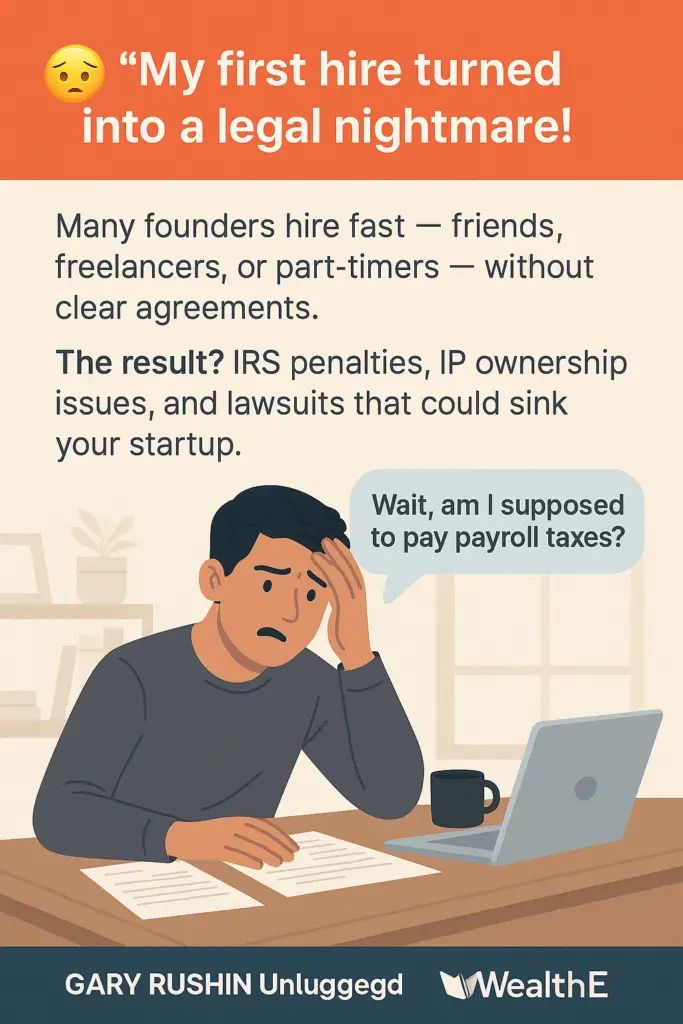
A well-structured hiring process is critical for finding the right talent for your startup. Recruiting new employees should be a key part of your HR strategy, ensuring you attract and recruit the best candidates to support your company’s growth.
The hiring process should include clear job descriptions, skills assessments, and interviews.
As an employer, it’s essential to understand the employer-employee relationship and the legal obligations that go with it.
Startups must comply with employment laws, including minimum wage and disability insurance.
A fair and transparent hiring process helps to establish trust with potential candidates. The candidate experience should involve clear communication throughout the hiring process, including expectations about timelines.
Structured screening and interview phases are essential to assess both skills and cultural fit in the hiring process. Structured interviews should use standardized questions that focus on skills and behaviors aligned with company values.
It is important to conduct thorough reference checks and background screening with a candidate’s consent.
Investing in HR software can streamline recruitment processes for startups with limited resources.
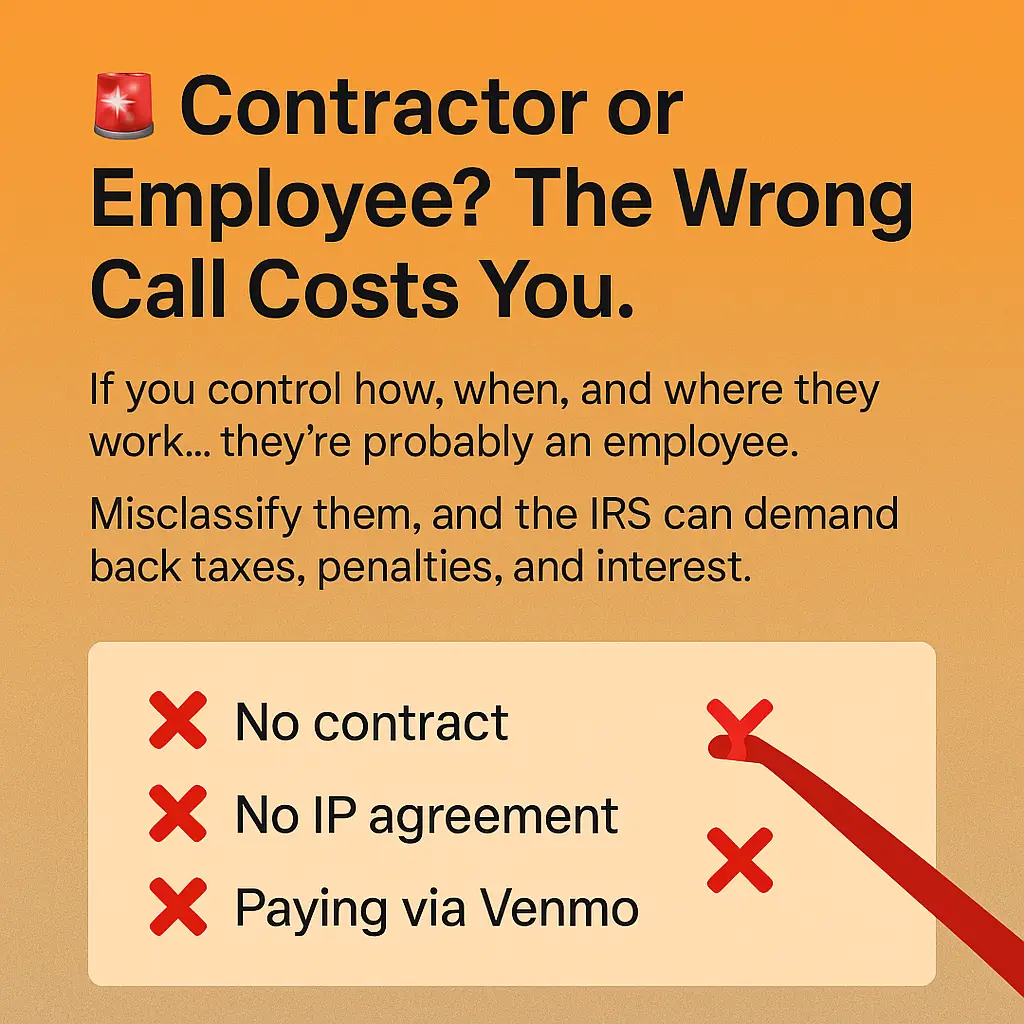
Independent contractors can provide valuable services to startups on an ongoing basis. Contracting involves establishing, negotiating, and managing contractual agreements between parties.
When working with independent contractors, it’s essential to establish a clear contract and confidentiality clause. Well-documented contracts are crucial for establishing credibility and attracting investment. It is important to document roles, responsibilities, and legal arrangements for clarity and legal protection.
Independent contractors are not employees and are responsible for their own benefits and taxes. Independent contractors are typically not hired as employees but are engaged to provide services as part of their own business. They provide services in a professional capacity, often as consultants or experts. Independent contractors are paid upon completion of services and are responsible for paying their own taxes and expenses. They do not receive benefits such as paid time off, and their agreements do not specify set hours or required work hours, underscoring the arrangement’s flexibility.
Startups must understand the differences between independent contractors and employees to avoid misclassification.
A well-structured contract helps to protect both parties and ensure compliance with relevant laws. Employment law compliance helps prevent employment disputes and fosters a positive workplace culture.
Employers should leverage existing networks for sourcing talent and implement a formal referral program with incentives.
HR can help manage legal and ethical challenges in the workplace.
Legal compliance requires consultation with legal counsel to ensure all processes comply with labor laws and proper employee classifications. Once agreements are created and documented, both parties should review and sign to ensure mutual understanding.
The highest ROI sourcing channel for startups is often the founders’ and existing employees’ networks.
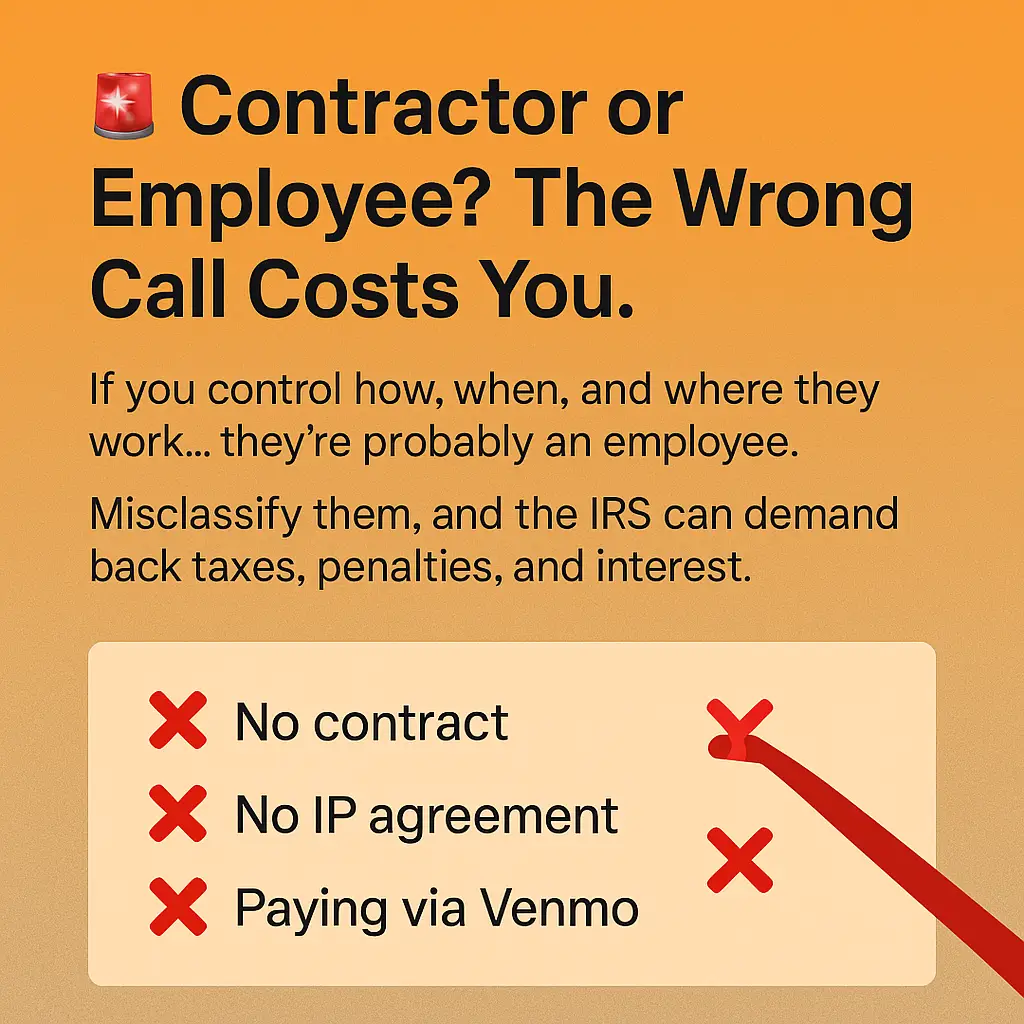
Intellectual property is a critical asset for many startups, and protecting it is essential.
Startups must take steps to safeguard their intellectual property, including patents, trademarks, and copyrights.
A confidentiality clause can help to protect intellectual property when working with independent contractors or other businesses.
As a business owner, it’s crucial to understand the importance of protecting your startup’s intellectual property. Legal protection is also achieved by complying with health and safety regulations and federal laws such as OSHA, which shields the company from legal liabilities.
A solid foundation in intellectual property protection helps to establish a competitive advantage. Employers should prepare all necessary legal and HR documents for the new hire, including tax forms and employment agreements.
Defining roles and delegating tasks are crucial for the smooth expansion of a startup team.
Creating an employee handbook ensures clarity about HR policies and procedures.
Training should begin on the first day, introducing new hires to tools and processes essential for their roles.
Startups must comply with various regulations, including employment laws and federal laws.
Ensuring compliance with relevant laws and regulations is vital for protecting your business and avoiding potential risks.
As an early-stage founder, it’s essential to understand the legal obligations and responsibilities of your startup.
Compliance with laws and regulations helps to establish trust with investors and potential candidates. Legal compliance opens doors to growth opportunities, including attracting investors and forming partnerships.
Adhering to legal standards ensures a startup operates smoothly without regulatory interruptions.
A well-structured compliance program helps to protect your startup’s reputation and avoid potential risks. Having access to comprehensive legal resources and compliance tools is crucial for staying up to date with evolving regulations and ensuring your startup remains compliant.
Non-compliance can result in lawsuits, fines, and penalties that could financially cripple a startup.
Startups must comply with financial and tax regulations to avoid audits and fines.
For early-stage founders, laying the groundwork for long-term success starts with a strategic approach to hiring and compliance. Establishing a solid foundation means developing a clear hiring process that includes well-defined job descriptions, thorough vetting of potential employees and independent contractors, and comprehensive contracts that outline roles, responsibilities, and expectations. Ensuring compliance with all relevant laws is critical—not only to avoid legal pitfalls but also to build credibility with investors and top talent.
Seeking legal counsel early in the process can help startups navigate complex employment laws and create contracts that protect the company’s interests. Prioritizing company culture from the outset is equally important; a positive, inclusive environment attracts top talent and fosters innovation. Offering competitive compensation and benefits, even with limited resources, signals to candidates that your company values its people and is committed to their growth.
By following these best practices, early-stage founders can create a competitive advantage, attract and retain the talent needed to drive their business forward, and ensure compliance with all legal obligations. This proactive approach not only mitigates risk but also sets the stage for sustainable growth and industry success.
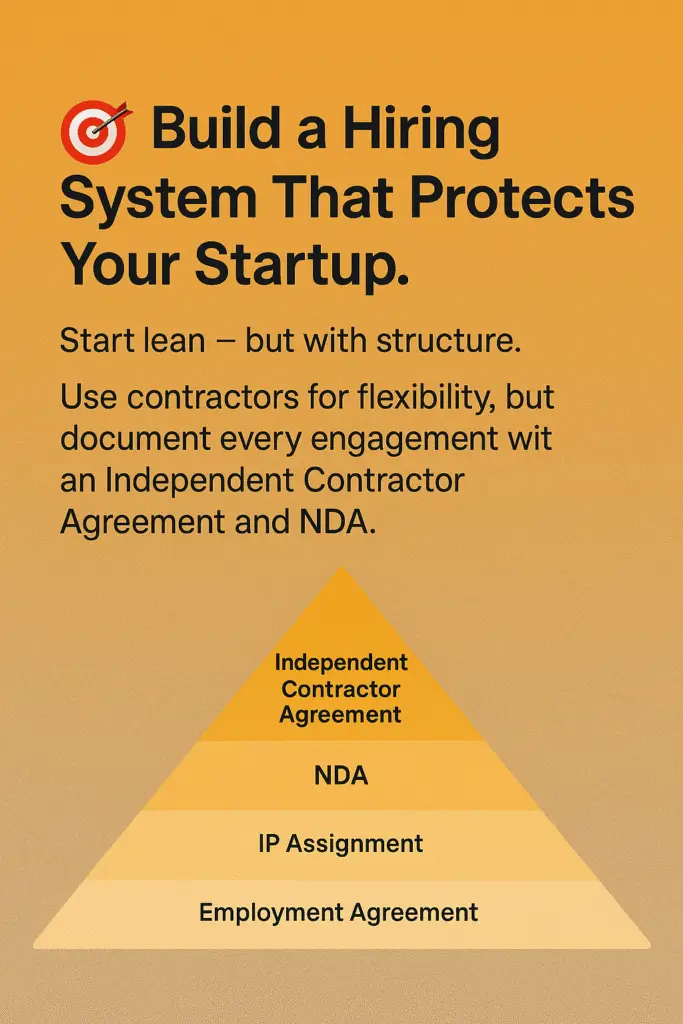
As a business owner, understanding your legal obligations is fundamental to building a solid foundation for your startup. Whether you are hiring employees or engaging independent contractors, it’s your responsibility to ensure compliance with all relevant employment laws. This includes providing a safe and healthy working environment, maintaining accurate records, and adhering to regulations regarding pay, benefits, and worker classification.
One of the most critical distinctions you must make is between employees and independent contractors. This difference impacts your legal obligations, tax responsibilities, and the types of benefits you are required to provide. Employees are typically entitled to benefits such as paid time off and disability insurance, while independent contractors are responsible for their own taxes and benefits. Misclassifying workers can lead to significant legal and financial consequences, so it’s essential to clearly define roles and responsibilities from the outset.
By staying informed about your obligations and ensuring compliance with employment laws, you not only protect your business from potential legal issues but also create an environment where your team can thrive. Taking these steps early on will help your startup attract top talent, foster trust, and set the stage for long-term success.
Performance management is critical for ensuring the growth and success of your startup.
Regular feedback and evaluations help to identify areas for improvement and provide opportunities for growth.
As a business owner, it’s essential to establish clear goals and expectations for your employees.
Performance management helps to establish a competitive advantage and attract top talent.
A well-structured performance management program helps to protect your startup’s reputation and ensure long-term success. Employee satisfaction surveys can help assess sentiment and overall morale.
Regular check-ins with new hires during their first several months foster open communication.
Creating a culture of learning encourages employee development and retention.
Proactively addressing recurring employee issues builds trust and mutual respect.
Audits and risk management are critical for startups aiming to ensure compliance with relevant laws and protect their most valuable assets, including intellectual property. Regular audits help business owners identify potential risks, such as compliance gaps or vulnerabilities in company policies, and enable timely corrective action. Implementing robust policies and procedures to prevent discrimination, harassment, and other forms of workplace misconduct is essential for maintaining a safe and inclusive environment.
A key aspect of risk management is the use of confidentiality clauses in contracts with employees and independent contractors. These clauses safeguard sensitive information and intellectual property, giving your startup a competitive advantage and legal protection. By prioritizing audits and risk management, startups can minimize legal liabilities, maintain compliance with laws, and build a reputation for integrity and professionalism in the industry.
Proactive risk management not only ensures compliance but also demonstrates to investors and partners that your business is committed to upholding the highest standards, further strengthening your position in the market.
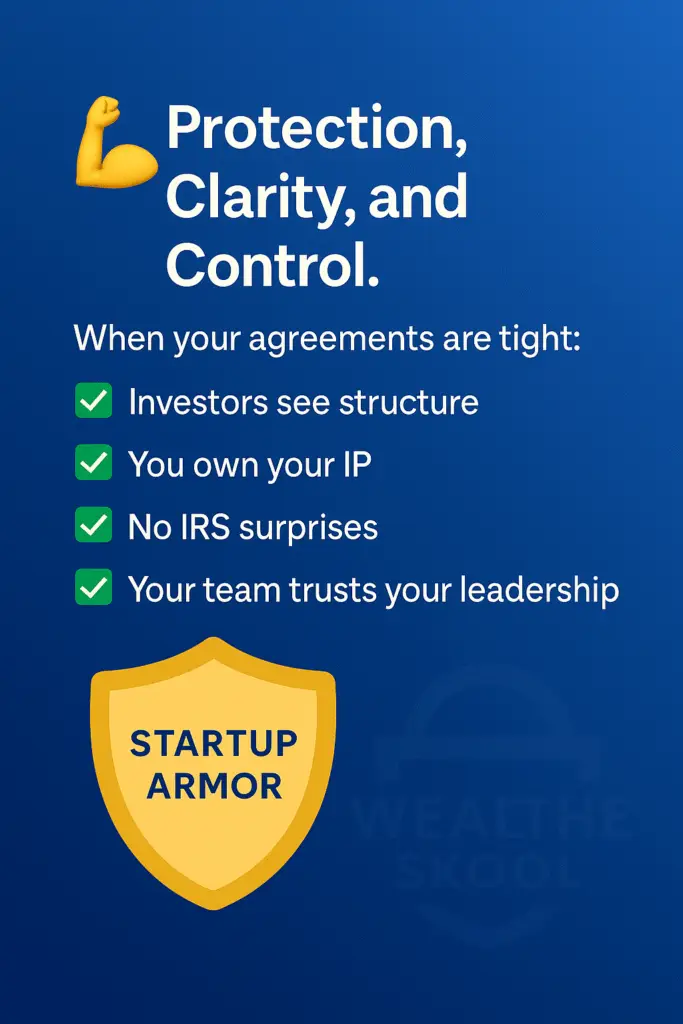
Employee onboarding is a critical process for startups, especially in the early stages when every new employee can significantly impact company culture and performance. A well-designed onboarding program ensures that new employees are not only welcomed but also fully equipped to take on their responsibilities from day one. Startups should create a comprehensive onboarding checklist that covers essential steps, including completing legal paperwork, setting up benefits, and introducing new employees to the team and company values. This process helps clarify job expectations, reduces confusion, and fosters a sense of belonging within the company.
For early-stage startups, onboarding is also an opportunity to ensure compliance with relevant laws and regulations. For example, when bringing on an independent contractor, it’s important to use a clear agreement that outlines the scope of work, confidentiality clauses, and compliance with applicable laws. By investing resources in a structured onboarding process, startups can improve employee retention, boost productivity, and create a positive work environment that supports long-term success.
Employee retention is essential for startups aiming to build a strong team and maintain a competitive advantage in their industry. High turnover can be costly and disruptive, especially for companies with limited resources. To retain top talent, startups should focus on creating a positive company culture where employees feel valued and supported. Offering competitive compensation and benefits, along with opportunities for professional growth, can significantly improve employee satisfaction.
Employers can leverage performance management tools to regularly assess employee performance, provide constructive feedback, and identify areas for improvement. By prioritizing employee retention, startups not only reduce turnover rates but also foster loyalty and engagement among their teams. Using hiring metrics and analytics, companies can track retention rates, spot trends, and make data-driven decisions to refine their retention strategies. Ultimately, a strong focus on employee retention helps startups attract and keep the most valuable assets—their people—driving business success and growth.
As your startup transitions from early stages to growth and scaling, it’s essential to adapt your hiring process and compliance strategies to address new challenges. Expanding your team may require creating new departments, implementing more sophisticated systems for managing employee data, and updating benefits packages to remain competitive. Ensuring compliance with employment laws and federal laws becomes increasingly complex as your workforce grows, making it vital to regularly review and update your policies and procedures.
Maintaining a strong company culture during periods of rapid growth is key to retaining your most valuable assets—your employees. By investing in their development and well-being, you not only attract top talent but also build a solid foundation that appeals to investors and supports long-term success. As your company scales, continue to prioritize transparent communication, robust onboarding processes, and ongoing compliance checks to minimize risks and maximize opportunities.
A scalable hiring process, combined with a commitment to compliance and culture, positions your startup for sustainable success and helps you stand out as a top company in your industry.
Diversity and inclusion are vital for startups seeking to foster innovation, creativity, and a collaborative work environment. By attracting and retaining top talent from diverse backgrounds, startups can build a dynamic team that brings fresh perspectives and ideas to the table. Implementing inclusive hiring practices—such as blind resume reviews, diversity training, and employee resource groups—can help startups build a more equitable workplace.
Early-stage startups should also ensure compliance with federal laws and regulations related to diversity and inclusion, especially when working with independent contractors. Using clear independent contractor agreements can help clarify expectations and demonstrate a commitment to fair and inclusive practices. By prioritizing diversity and inclusion, startups not only enhance their reputation but also improve employee satisfaction and drive business growth, setting themselves apart as top companies in their industry.
Incorporating regular employee feedback and reviews into your startup’s operations is essential for building a strong company culture and maintaining a competitive advantage. By gathering feedback on an ongoing basis, you gain valuable insights into employee satisfaction, workplace dynamics, and opportunities to improve your hiring process or management approach. This proactive engagement helps identify and address issues before they escalate, supporting a positive work environment and higher retention rates.
Using employee feedback to inform decisions about hiring, onboarding, and company growth ensures that your startup remains aligned with its core values and mission, even as it evolves. Regular reviews also provide employees with opportunities for development and recognition, which are critical for attracting and retaining top talent. By making feedback a central part of your process, you create a solid foundation for long-term success and foster a culture where employees feel heard, valued, and motivated to contribute to the company’s growth.
Prioritizing employee feedback and reviews not only strengthens your team but also enhances your startup’s reputation as a great place to work, helping you attract the talent needed to achieve your business goals.
Hiring metrics and analytics are powerful tools for startups looking to optimize their hiring process and attract top talent efficiently. By tracking key metrics such as time-to-hire, cost-per-hire, and source-of-hire, startups can gain valuable insights into which recruiting strategies are most effective. For example, analyzing data can help determine which job boards or social media channels yield the best candidates, allowing startups to allocate resources more strategically.
In addition to improving the hiring process, metrics can be used to evaluate the success of employee onboarding programs and identify areas for improvement. Startups that leverage hiring analytics can make informed decisions, reduce hiring costs, and improve the quality of their hires. This data-driven approach ensures that every hire contributes to the company’s long-term success and helps maintain a competitive edge in the market.
Leveraging the right hiring tools and resources can significantly improve the efficiency and compliance of your hiring process. Applicant tracking systems help organize candidate information, streamline communication, and ensure that no step is overlooked. Job boards and social media platforms expand your reach, allowing you to connect with top talent across the industry.
For startups working with independent contractors, using clear and comprehensive Independent Contractor Agreements is essential. These contracts define the terms of the relationship, outline responsibilities, and help ensure compliance with federal laws and regulations. Legal counsel and online resources like Rocket Lawyer can assist in creating and reviewing contracts, providing peace of mind that your agreements are legally sound.
By integrating these tools and resources into your hiring process, you can create a more organized, compliant, and effective approach to recruiting and onboarding new team members. This not only saves time and reduces risk but also positions your startup as a professional and attractive employer.
Co-founder collaboration is critical to the success of any startup, especially during the early stages when decisions can shape the company’s future. Effective collaboration among co-founders ensures everyone is on the same page regarding the company’s vision, strategy, and values. Utilizing collaboration tools such as project management software and communication platforms can help co-founders track progress, share responsibilities, and make informed decisions together.
Clear agreements, including independent contractor agreements when working with outside talent, help define roles and responsibilities, reducing the risk of misunderstandings. Co-founders should also use hiring metrics and analytics to evaluate the effectiveness of their hiring process, ensuring that the team they build aligns with the company culture and business goals. By prioritizing open communication and shared decision-making, co-founders can create a strong foundation for success, minimize conflicts, and drive the company forward as a unified team.
Before bringing on independent contractors or employees, business owners should complete the following final checklist to ensure a smooth, compliant, and successful hiring process:
Clearly define the hiring process and job requirements for each position.
Determine whether the role should be filled by an independent contractor or an employee, based on the nature of the work and legal guidelines.
Ensure compliance with all employment laws and relevant regulations, including minimum wage, benefits, and worker classification.
Create a detailed contract or agreement that outlines the terms of the relationship, including pay, responsibilities, and any confidentiality clauses.
Set up a reliable system to track work hours, pay, and benefits, ensuring transparency and accuracy.
Implement policies and procedures to prevent discrimination, harassment, and other workplace issues.
Conduct thorough background checks and reference verifications for all potential hires.
Provide a safe and healthy working environment that meets legal standards.
Maintain accurate records and documentation for all employees and independent contractors.
Regularly review and update your employee handbook or contract templates to reflect changes in laws or company policies.
By following this comprehensive checklist, business owners can ensure their hiring process is compliant, efficient, and attractive to top talent. This proactive approach lays the groundwork for long-term success and helps your startup stand out as a leader in your industry.
Develop a detailed action plan and next steps for your hiring process.
Prioritize hiring and talent acquisition to ensure long-term success.
Ensure compliance with relevant laws and regulations to protect your business and avoid potential risks.
Establish a positive company culture and values to attract top talent.
A well-structured hiring process helps to establish a competitive advantage and attract investors.
The startup hiring process should include regular communication during the onboarding phase to set expectations. Onboarding should be viewed as an ongoing process that includes social integration and regular feedback on performance expectations.
Utilizing an applicant tracking system helps keep candidate information organized during recruitment.
Effective onboarding integrates new hires into the company culture and establishes clear goals through a 30-60-90 day plan.
Startups should utilize platforms like AngelList to post job openings and attract talent at no cost.
Gary Rushin is a seasoned CPA, former investment banker, and turnaround professional with over 30 years of experience in accounting, finance, and business strategy. He has advised Fortune 500 companies, growth-stage startups, and distressed businesses on financial restructuring, corporate governance, and risk management. Known for his expertise in forensic accounting and financial statement analysis, Gary combines deep technical knowledge with AI-driven tools to help entrepreneurs, investors, and executives uncover hidden risks, protect capital, and drive sustainable growth.